
The demand for mental health services is at an all-time high.
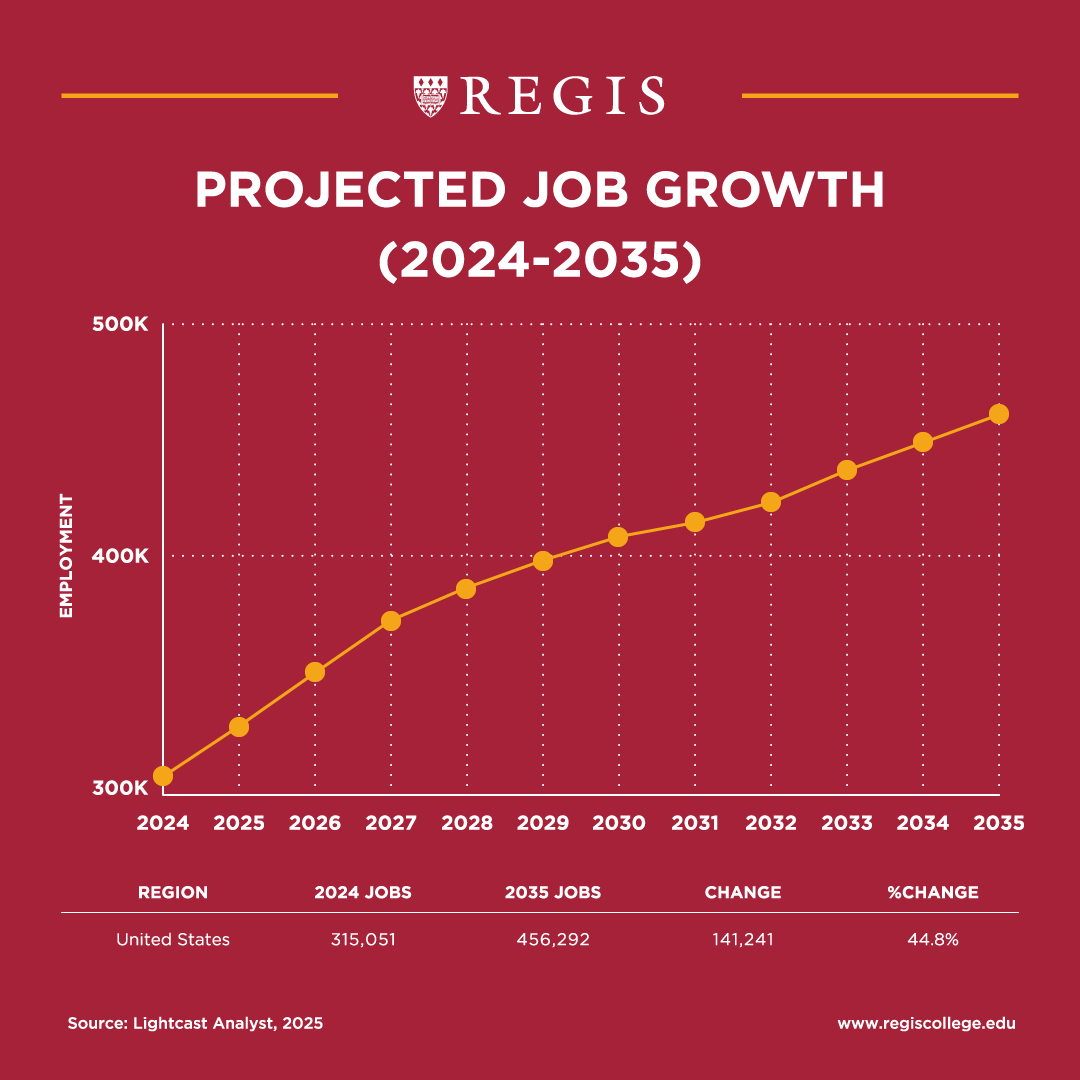
According to the National Institute of Mental Health, nearly one in five adults experiences a mental illness each year, yet the supply of mental health professionals able to provide help is not keeping up with the demand. The Bureau of Labor Statistics (BLS) projects a 35% growth rate for nurse practitioners between 2024 and 2034—much faster than average—with psychiatric mental health nurse practitioners (PMHNPs) among the most sought-after specialties.
The question many prospective professionals are asking is whether PMHNP is the right track for them. Will it help them meet their personal and professional goals? Are they a good fit for the profession? And will the current demand remain high?
Becoming a psychiatric mental health practitioner provides the opportunity to enter a growing profession that allows individuals to have a direct impact on individual lives.
Key Takeaways
- PMHNPs play a critical role in bridging the nation’s growing mental health care gap through assessment, therapy, and medication management.
- The role suits nurses with empathy, curiosity, and an interest in long-term, relationship-based care.
- Regis College’s PMHNP track offers small cohorts, strong faculty support, and exceptional board pass rates.
- Rising mental health awareness and provider shortages make now an ideal time to pursue this specialty.
What Does a PMHNP Do? A Day in the Life
A psychiatric mental health nurse practitioner is an advanced practice registered nurse (APRN) trained to assess, diagnose, and treat mental health conditions across the lifespan. PMHNPs work with patients experiencing everything from anxiety and depression to severe psychotic disorders, providing both medication management and psychotherapeutic support.
A PMHNP’s day may often look like this:
- Conduct mental health evaluations.
- Create treatment plans and prescribing medications.
- Provide individual and group therapy.
- Coordinate care with other medical and behavioral health professionals.
- Educate patients and families on mental wellness.
PMHNPs are lifespan trained, so they are equipped with the skills to work with children, adults, and the elderly. This versatility is one of the profession’s biggest draws and, as Julia Martyn, a Professor in the Regis College Young School of Nursing, graduates of the Regis Master of Science in Nursing (MSN) program (PMHNP track) emerge ready to work in a variety of settings.
“(PMHNPs) have a lot of different options. We can work in outpatient settings, we can work in inpatient settings, we can work in partial hospitalization settings... We can work in a medical hospital setting... a lot of the addiction services are really covered by psychiatric providers.” she says.
Depending on the state, PMHNPs may also practice independently. In Massachusetts, for instance, nurse practitioners can operate independently after two years of supervised experience, giving them greater control over their careers.
Is PMHNP the Right Path for You?
Choosing a nurse practitioner track is the first step for any professional. There are certain qualities psychiatric mental health nurse practitioners share that align with this field. Those considering a career as a PMHNP should consider:
Are You Naturally Empathetic and Curious About What Drives Behavior?
Empathy is at the core of psychiatric nursing. PMHNPs must be able to connect with patients who are often vulnerable, anxious, or in crisis. Martyn notes that “the biggest thing is compassion, right? I think compassion is huge. I think that's why people go into nursing and that's why people pursue higher education in nursing.”
Do You Value Meaningful, Ongoing Relationships?
Acute care nurses may treat patients for only a few days. PMHNPs, by contrast, often work with individuals over a period of months or even years. This timeline allows for deep relationships and meaningful progress, something many nurses find very rewarding.
Are You Organized, Observant, and Detail-Oriented?
The work is fast-paced. PMHNPs may see multiple patients per hour, manage medication adjustments, and maintain detailed clinical documentation. Strong attention to detail ensures accuracy and safety in every interaction.
Ready To Start Your Nursing Journey?
Download our guide to find out which degree is right for you.

Are You an Independent, Lifelong Learner?
The psychiatric mental health nurse practitioner field is changing all the time. Those likeliest to have success see their learning as ever-evolving, says Martyn. “Guidelines change all the time. Medicine evolves really rapidly…and I think it's going to be even faster moving forward with Al and everything else that's coming into play.”
Where PMHNPs Work, and What They Do
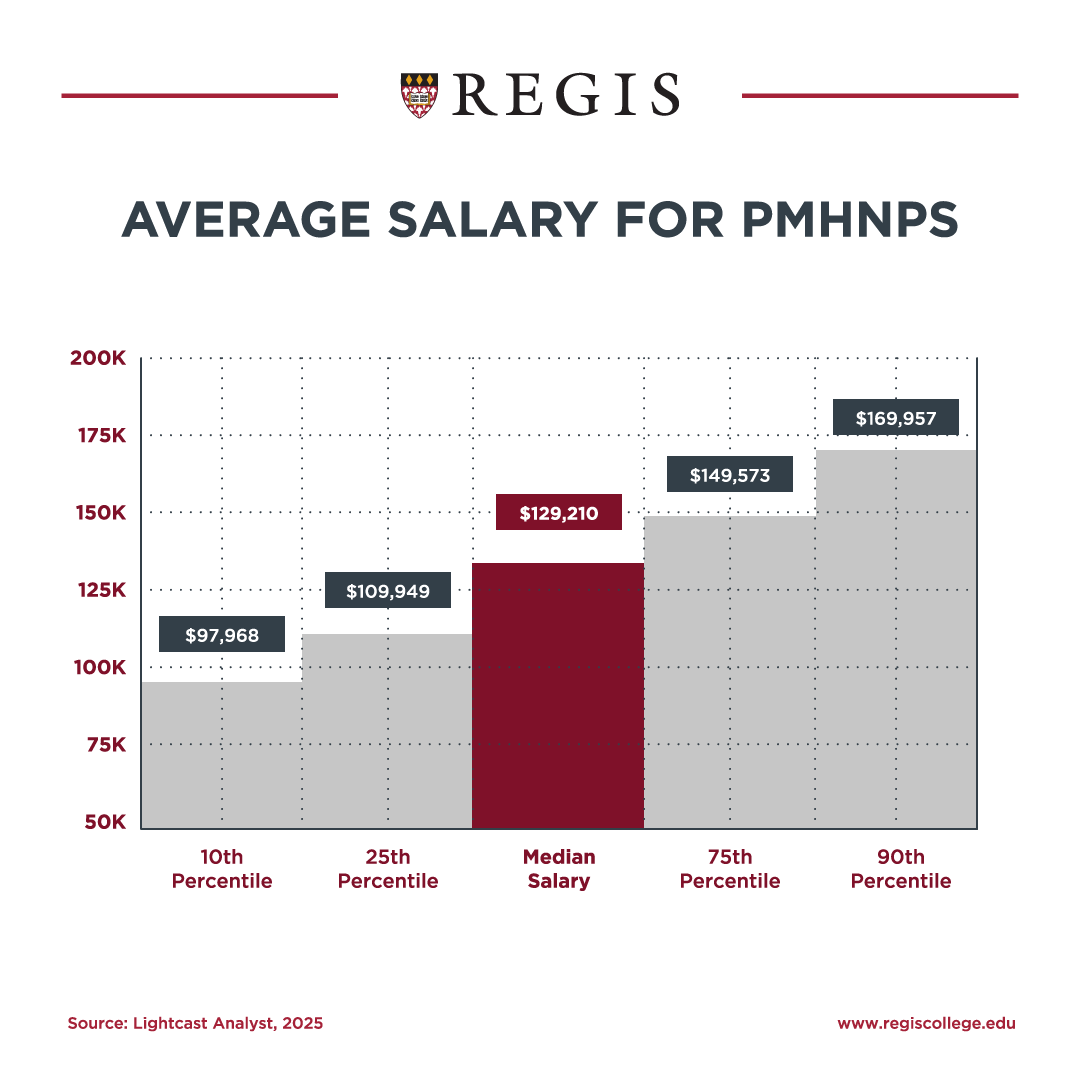
While pay varies by state, setting, and experience, the Bureau of Labor Statistics reports a median annual wage of $132,050 (May 2024) for nurse practitioners (all specialties)—the federal category that includes PMHNPs.
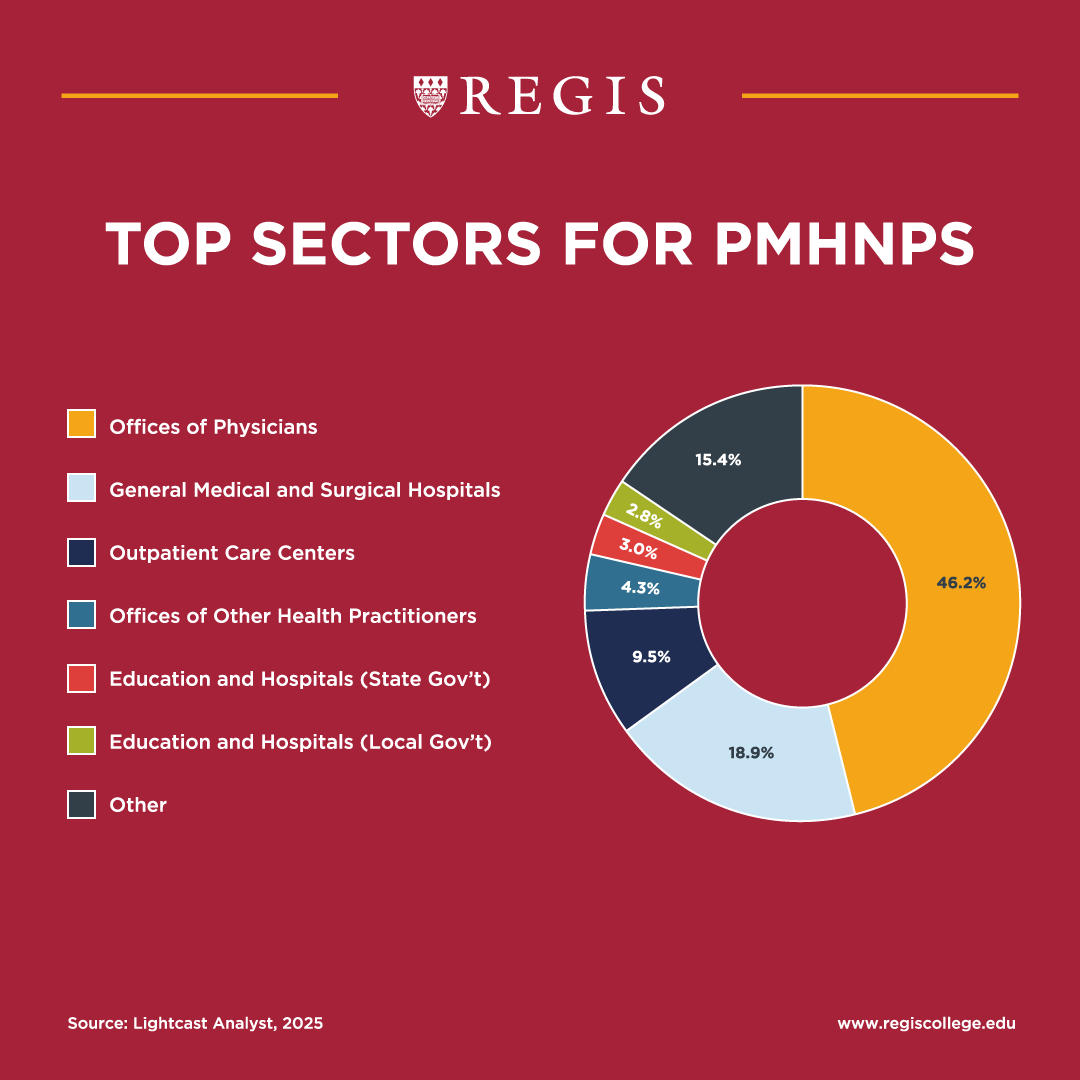
Here are some of the most common environments where PMHNPs make an impact:
Outpatient Mental Health Clinics
PMHNPs in outpatient settings often provide ongoing care for patients managing chronic mental health conditions such as anxiety, depression, and bipolar disorder. They perform assessments, prescribe and manage medications, and offer psychotherapy to help patients maintain stability and improve quality of life.
Inpatient Psychiatric Units
These PMHNPs care for individuals experiencing acute mental health crises. They may manage medication regimens, monitor progress, and collaborate closely with psychiatrists, therapists, and social workers to support patient stabilization and safe discharge planning.
Hospitals and Integrated Care Settings
Many medical hospitals employ PMHNPs as part of consult-liaison teams that bridge medical and behavioral health care. These practitioners may assist with medication management, withdrawal and detox protocols, or mental health assessments for patients admitted for other medical reasons. Their presence ensures patients receive holistic, whole-person care.
Addiction Treatment Centers
Substance use disorders often overlap with psychiatric conditions. PMHNPs in addiction medicine provide dual-diagnosis care, managing withdrawal symptoms and addressing co-occurring disorders such as depression or anxiety. Martyn emphasizes that “a lot of addiction services are really covered by psychiatric providers,” highlighting this area as a growing subspecialty.
Private Practice and Telehealth
With expanding practice authority in many states, experienced psychiatric mental health nurse practitioners can open their own practices or provide virtual care. These roles often combine clinical autonomy with flexible scheduling, offering balance and independence that few other healthcare careers can match.
Why Regis College Is the Right Choice for PMHNPs
Regis College has built a strong reputation for producing skilled, compassionate nurse practitioners. Its Master of Science in Nursing (MSN) program offers small cohorts and exceptional faculty support, ensuring every student receives individualized attention.
“We have smaller cohorts which means, as faculty, we're able to really support our students very very well,” Martyn explains. “We meet with our students frequently... We have excellent passing rates and we have been above national standards consistently for years.”
Regis also distinguishes itself through:
- Hybrid format: Combines on-campus instruction with asynchronous online content.
- High first-time board pass rates: Above national averages for both FNP and PMHNP tracks.
- Dedicated faculty and preceptors: Many are Regis alumni who remain active in mentoring current students.
- Clinical placement support: Students gain experience in diverse care settings, including hospitals, community health centers, and outpatient clinics.
Graduates are eligible to sit for certification through the American Nurses Credentialing Center (ANCC) and are well-prepared for immediate practice.
Challenges to Consider
Psychiatric nursing is both rewarding and demanding. PMHNPs often work with patients experiencing severe depression, psychosis, or addiction. Emotional resilience and strong professional boundaries are essential.
Martyn recommends that nurses, if possible, gain hands-on experience before settling on this career path.
“I usually recommend that if possible, [students] work in a psychiatric unit as an RN... we need to be able to maintain empathy and compassion even when the patients may not necessarily be in the right frame of mind to work with us in that particular moment,” she says.
PMHNPs must also be prepared for the realities of practice. Some work in rural or telehealth settings, which can be isolating. Others balance emotionally demanding caseloads with high administrative expectations. Yet, for those drawn to mental health, these challenges are outweighed by the opportunity to make a profound difference.
Now is the Time to Start Your PMHNP Journey
The landscape for psychiatric nurse practitioners is expanding faster than ever. As mental health awareness grows and older psychiatrists retire, advanced practice nurses are stepping in to fill critical gaps in care.
“There's going to be a substantial need for psychiatric providers.... There is basically a very large percentage of psychiatrists who are going to retire within the next 10 to 15 years,” says Martyn. “That's going to create a bit of a vacuum and as psychiatric practitioners, we are very well suited to step in and close that gap.”
Beyond demand, PMHNPs enjoy a high degree of professional freedom and balance. Many go on to open private practices or transition into telehealth roles that offer flexible schedules and autonomy. “[It] provides me with the flexibility of my own schedule, the flexibility of being able to really work with the type of patients that I enjoy working with and just really gives me a lot of control over my life and a lot of work-life balance.,” says Martyn.
For nurses ready to take the next step, Regis College’s Master of Science in Nursing (MSN) with a PMHNP concentration offers the preparation and mentorship needed to thrive in this evolving field. Through small cohorts, hands-on clinical experiences, and dedicated faculty guidance, Regis helps students transition confidently from bedside care to advanced psychiatric practice.
If you’re drawn to helping others, intrigued by the complexities of mental health, and motivated to lead change in your community, there’s never been a better time to begin.
Explore the Regis MSN-PMHNP program today to discover how you can make a lasting impact on patients’ lives—and your own career path.

Published Date