
If you’re thinking about a career change and are interested in the field of nursing, chances are you’re considering an accelerated BSN program.
But are accelerated programs respected within the industry? Will hospitals and other employers be more or less likely to hire an Accelerated Bachelor of Science in Nursing (ABSN) graduate?
Such concerns are understandable. Nursing is a high-stakes profession, and second-degree students often wonder whether employers view an accelerated pathway differently from a traditional four-year BSN. The reality? Hospitals hire BSN-prepared nurses based on competence, readiness, and professionalism—not on how long it took to earn the degree.
In fact, accelerated nursing graduates often bring qualities to the workforce that employers consistently value: maturity, adaptability, real-world experience, and strong clinical preparation.
Here, we’ll explore why employers value accelerated nursing graduates and how programs, such as the Regis College ABSN, can help students enter the field feeling confident, capable, and prepared to succeed.
Key Takeaways
- Employers hire based on preparation, not program length. Accelerated BSN graduates earn the same degree as traditional BSN students and are evaluated on clinical readiness, professionalism, and licensure eligibility.
- BSN-prepared nurses remain in high demand. Healthcare employers increasingly prioritize BSN education because of its emphasis on clinical judgment, patient safety, and evidence-based practice.
- Accelerated students often bring valuable professional experience. As second-degree students, ABSN graduates may enter nursing with maturity, strong time-management skills, and prior workplace experience that supports patient care and teamwork.
- Employers value more than technical skills alone. Communication, adaptability, empathy, and collaboration play a critical role in nursing success and are traits many career changers have already developed.
- Program structure matters, but outcomes matter more. At Regis College, the 16-month ABSN track prepares graduates to meet licensure requirements and employer expectations, allowing students a pathway that fits their lives without sacrificing quality.
Employers Are Actively Hiring BSN-Prepared Nurses
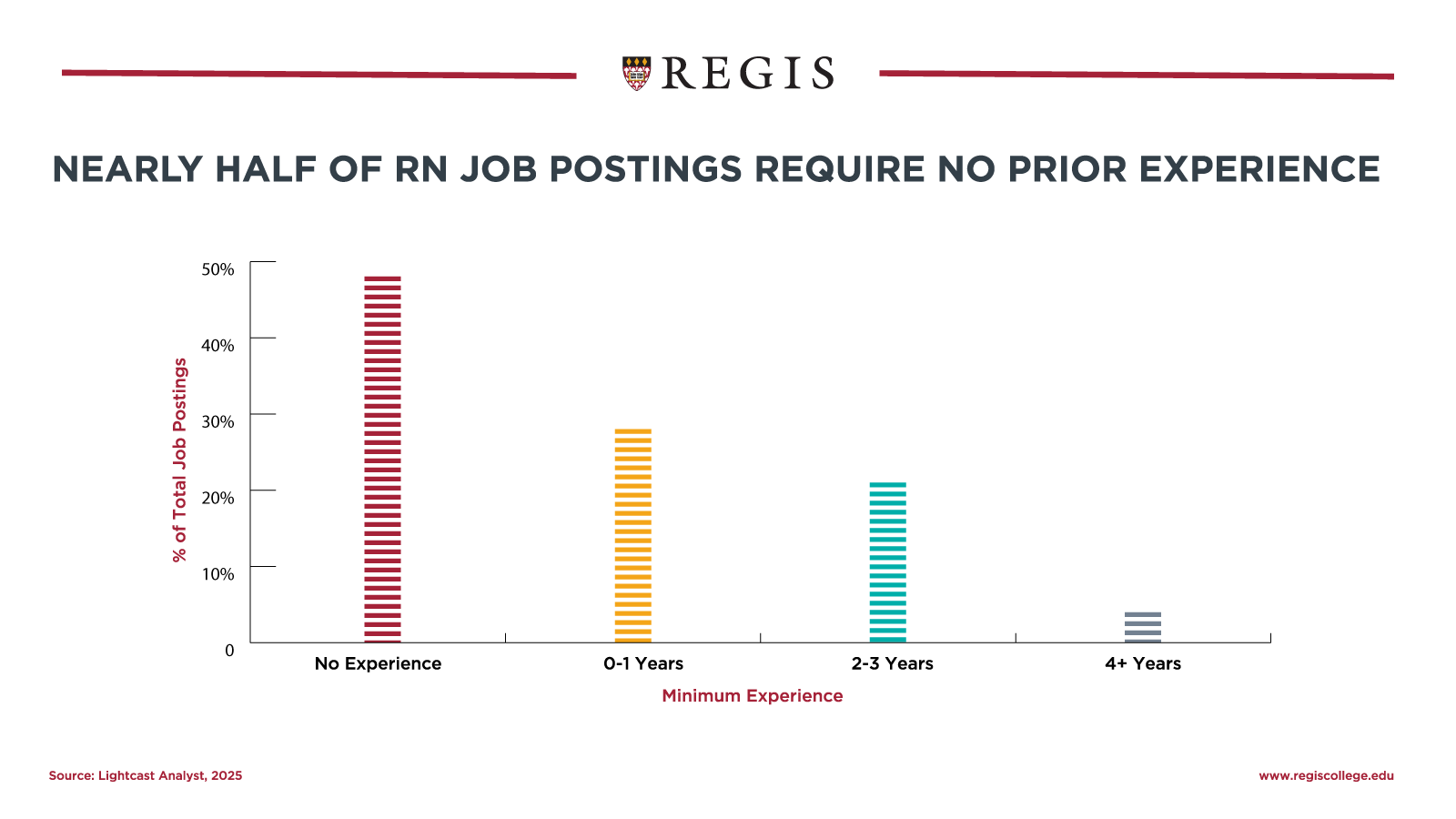
Across the U.S., healthcare systems continue to prioritize nurses with a Bachelor of Science in Nursing. The American Association of Colleges of Nursing (AACN) consistently emphasizes that employers prefer BSN-prepared nurses because such education places specific focus on clinical judgment, patient safety, leadership, and evidence-based practice
This particular trend is driven in large part by growing complexity in patient care and workforce demands. According to the U.S. Bureau of Labor Statistics, employment of registered nurses is projected to grow steadily through the next decade as healthcare needs increase across acute care, community health, and specialized settings.
Accelerated nursing programs meet these employer expectations by awarding the same BSN credential as traditional programs. Sharon Higgins, DNP, NP-C, ONC, WCC, Dean of the School of Nursing at Regis College, affirms that, in the school’s ABSN program, students complete the same nursing coursework and graduate with the same Bachelor of Science in Nursing degree, meeting the same licensure and employer expectations. From an employer’s perspective, an ABSN graduate meets BSN hiring criteria while often bringing additional professional experience into the role.
What Sets Accelerated Nursing Graduates Apart
Accelerated nursing students are not defined by speed alone. They are defined by who they are when they enter the program.
Second-degree students have already completed a bachelor’s degree, often while balancing work, family, and other responsibilities. That background frequently translates into workplace-relevant strengths.
Academic and Time-Management Readiness
Accelerated programs are intentionally demanding. Students must manage dense coursework, labs, and clinical rotations with little downtime. Higgins notes that most ABSN students arrive already knowing how to study effectively and manage competing priorities—skills that transfer directly to nursing practice.
Professional Experience
Many ABSN students come from prior careers in healthcare, education, business, engineering, or public service. Even when those roles were not clinical, they often required communication, teamwork, problem-solving, and accountability—skills that are foundational to nursing.
Intentional Career Choice
Career changers typically enter nursing with a clear sense of purpose. Higgins observes that many accelerated nursing program students have reflected deeply on why they want to become nurses, often having had an experience in their own lives that prompted the desire to pursue a career centered on helping others. That can often show up in their commitment and professionalism during clinical training.
What Employers Look for in Newly Graduated Nurses
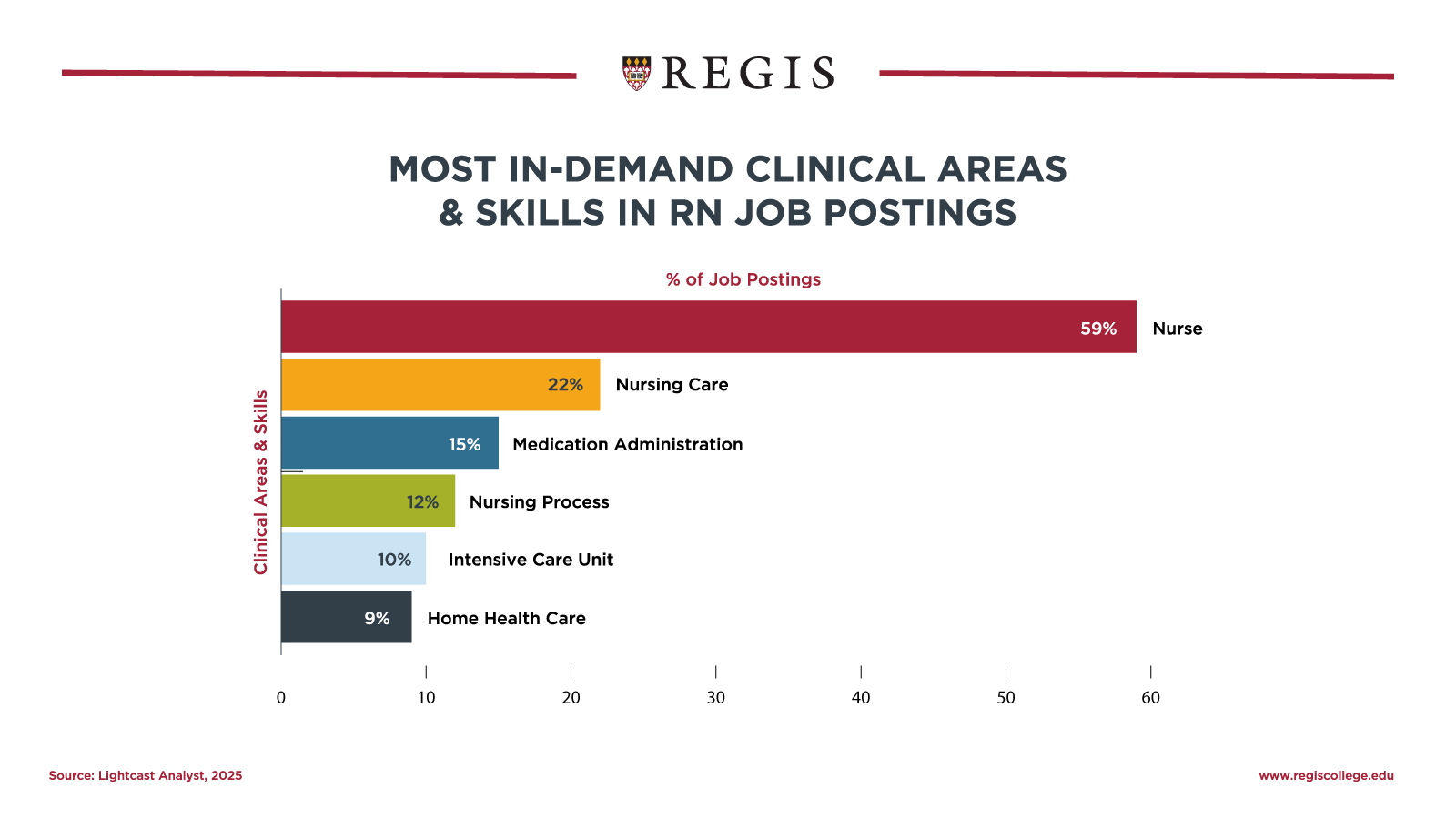
While clinical competence is essential, employers consistently emphasize additional capabilities that support safe, effective care.
Clinical Judgment
The National Council of State Boards of Nursing (NCSBN) identifies clinical judgment as a core competency for newly licensed nurses, reflecting its importance across all care settings
Accelerated programs are structured to develop these skills quickly by integrating theory, simulation, and clinical experience throughout the curriculum.
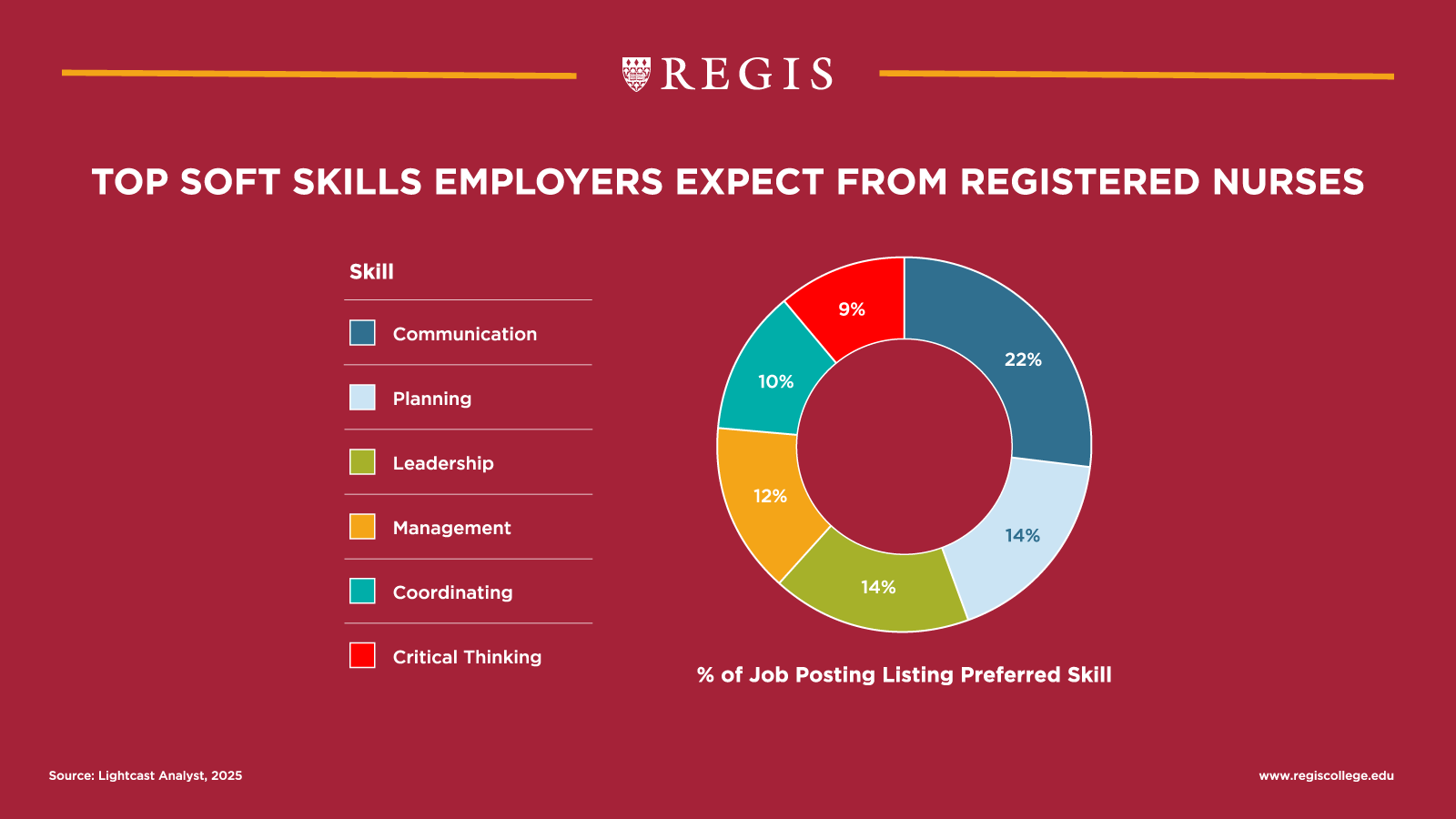
Communication Skills
Effective communication is closely tied to patient safety and outcomes. The American Medical Association Journal of Ethics highlights communication as a critical skill for healthcare professionals, particularly in complex clinical environments
Second-degree students often bring prior experience communicating with clients, colleagues, and stakeholders—experience that can translate well to patient and team interactions.
Wondering Which Path Fits Your Goals?
Compare our accelerated nursing programs at a glance.

Professionalism and Adaptability
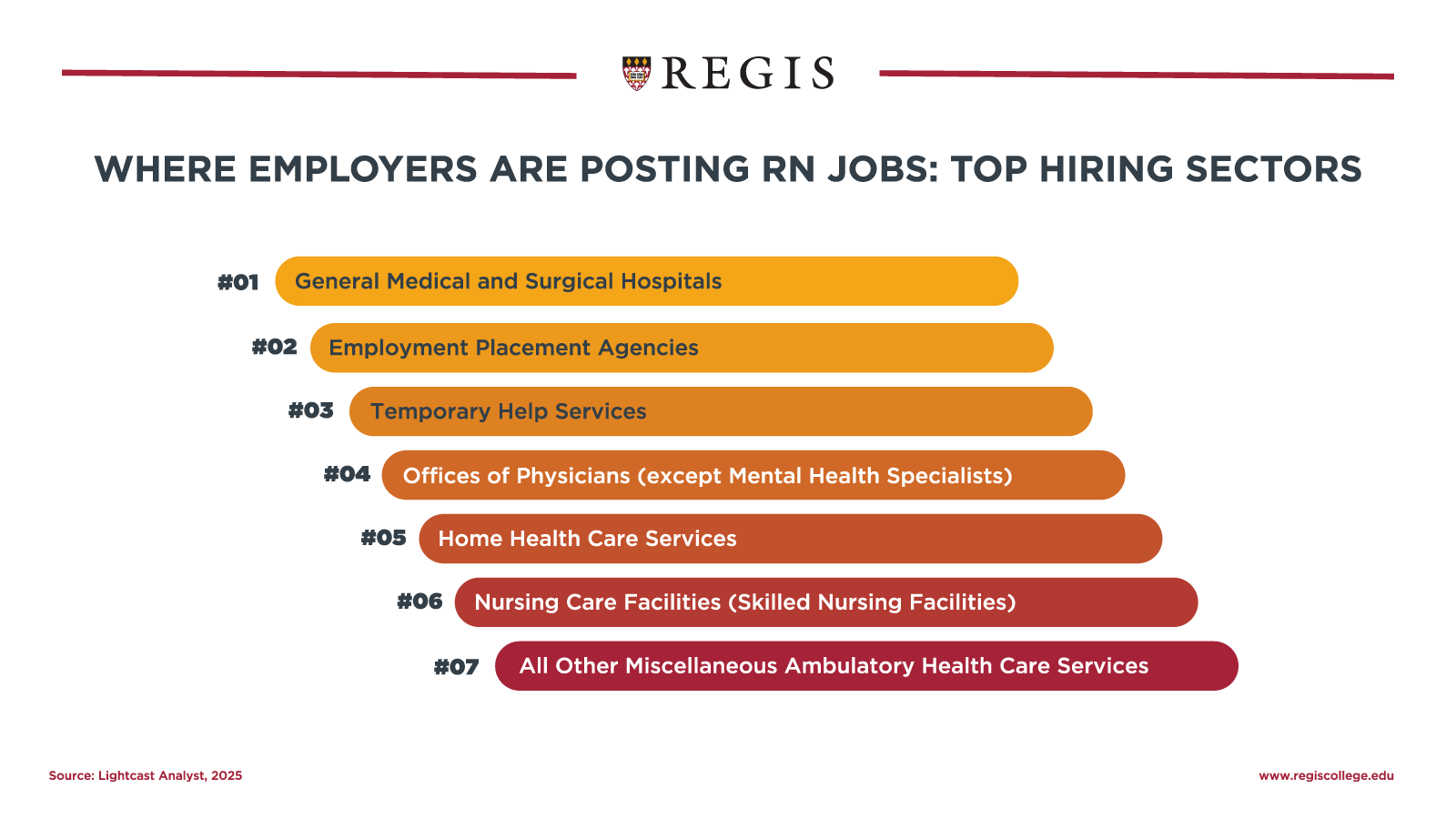
Hospitals want nurses who are reliable, adaptable, and able to learn quickly. Accelerated programs mirror these expectations, preparing students to handle fast-paced clinical environments and ongoing professional development.
Employers Value More Than Clinical Skills
Nursing success depends not only on technical knowledge but also on human-centered skills.
Empathy and Patient-Centered Care
Organizations increasingly identify empathy as a key factor in patient experience and quality of care. With many students driven to the profession by a previous personal or family healthcare experience, ABSN grads often have a deep understanding of patient needs.
Cultural Awareness
The Centers for Disease Control and Prevention (CDC) identifies cultural competence as essential to equitable and effective healthcare delivery. Broader life experience can help second-degree nurses navigate diverse patient populations with sensitivity and respect.
Teamwork
The Agency for Healthcare Research and Quality (AHRQ) highlights teamwork and communication as central to patient safety through initiatives like TeamSTEPPS—an evidence-based framework used by hospitals nationwide to optimize communication and reduce medical errors.
Career changers often bring experience working in collaborative, interdisciplinary environments—an asset in modern healthcare systems.
These qualities are not exclusive to accelerated students, nor do they diminish the strengths of traditional BSN graduates. Rather, they help explain why employers frequently respond positively to second-degree nurses entering the workforce.
Why Regis ABSN Graduates Stand Out in the Job Market
While employers value BSN preparation broadly, Regis ABSN students benefit from program-specific elements that support readiness and employability.
The Regis ABSN program is intentionally designed to support different types of career changers without compromising academic rigor or clinical preparation. Regis offers an Accelerated BSN track:
- A 16-month campus-based track for students ready for full-time, immersive study
This track leads to the Bachelor of Science in Nursing degree, which prepares students to meet licensure and employer expectations.
Experienced Faculty
Regis nursing faculty, 90% of whom are industry-active nurses, bring extensive clinical and leadership experience, shaping instruction around real-world expectations and current practice standards.
Simulation-Based Learning
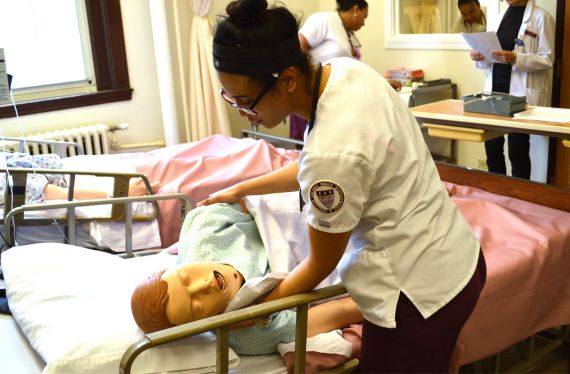
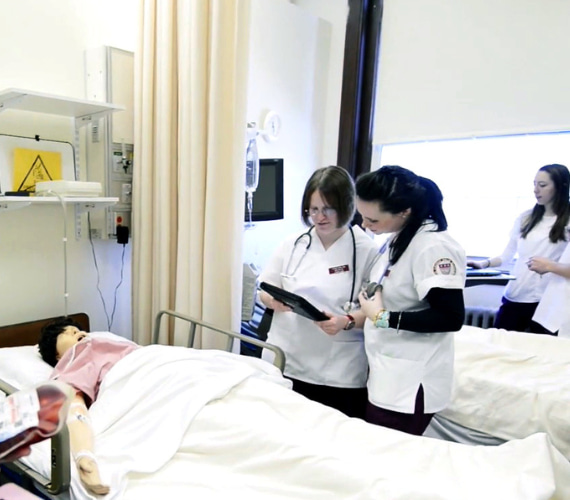
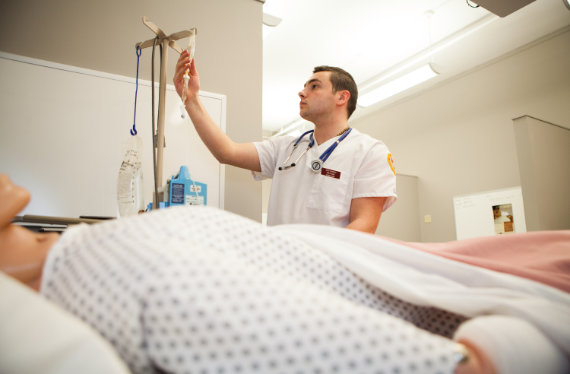
Simulation is integrated throughout the ABSN curriculum to help students practice clinical decision-making in a structured, supportive environment before entering patient care.
Clinical Placements in Greater Boston
Students complete clinical rotations at respected healthcare institutions across the region, gaining exposure to a range of patient populations and care settings.
Preceptorship Opportunities
In the final phase of the program, students work one-on-one with experienced nurses in a focused preceptorship—an experience that often supports a smooth transition into employment.
NCLEX Preparation and Outcomes
Strong licensure preparation and outcomes further reinforce employer confidence in Regis graduates. The school reports a 94% NCLEX pass rate, an outcome that further reinforces employer confidence in graduates’ readiness for licensure and practice.
Ready to Bring Your Experience Into Nursing?
Accelerated nursing programs are not shortcuts. They are focused, rigorous pathways designed for motivated students who already bring academic and professional experience to the table.
Employers value BSN-prepared nurses who can think critically, communicate effectively, and adapt to complex environments. For many career changers, an ABSN program provides the structure needed to translate prior experience into a meaningful nursing career.
At Regis College, that preparation is supported by experienced faculty, strong clinical partnerships, and a curriculum built around employer expectations.

Published Date