
Choosing to pursue nursing as a career is a big decision—financially, academically, and personally. If you’re exploring an accelerated bachelor of science in nursing (ABSN) program, you’re likely looking for a fast, focused path into the profession.
But you’re also likely wondering, “How much does this program actually cost, and how do real students afford it?”
Cost is one of the primary factors future ABSN students consider as they plan their transition into nursing, especially if they’re balancing family obligations, existing student loans, or the need to keep working. Understanding the total investment, and the many ways students manage it, can help you move forward with clarity and confidence.
Here, we’ll break down the full cost of Regis College’s Accelerated Bachelor of Science in Nursing (ABSN) program (both the 16- and 24-month tracks), explain what financial aid options you may qualify for, and share practical strategies students commonly use to make the program more affordable.
Key Takeaways
- Regis College’s ABSN program costs $79,200 in tuition, based on 60 credits at $1,320 per credit for the 2025–26 academic year, for both the 16- and 24-month tracks.
- Students in the 16- and 24-month ABSN tracks are eligible to apply for undergraduate federal aid, with the program qualifying for federal and private student loans at the undergraduate loan limit.
- Two flexible pathways allow students to choose what best fits their life, with a 16-month on-campus option and a 24-month hybrid option while completing the same rigorous nursing curriculum.
- Thoughtful budgeting is essential for ABSN students, including planning for living expenses and the possibility of reduced work hours during the accelerated program.
- Regis offers a highly supported path into nursing for second-career students, with strong clinical partnerships, advanced simulation training, and the #1-ranked accelerated BSN program in Massachusetts.
What You Can Expect to Pay for the ABSN at Regis College
Regis offers two tracks for students pursuing an accelerated nursing degree:
- A 16-month, on-campus ABSN, designed for full-time, intensive study
- A 24-month hybrid ABSN, which delivers coursework online and pairs it with on-campus labs and clinical placements
Both pathways serve students who already hold a non-nursing bachelor’s degree and, importantly, both tracks have the same tuition and total credit requirements.
Tuition Overview for 2025–2026
Both accelerated nursing tracks require:
- 60 credit hours
- $1,320 per credit
- Total tuition: $79,200 (excluding fees; subject to annual updates)
Tuition is billed per credit rather than as a flat semester cost, which helps students better understand how those expenses align with their academic timeline.
Additional Fees to Consider
Like most nursing programs, the ABSN includes fees associated with clinical preparation, simulation learning, and university services. While exact amounts may vary year to year, students should expect possible costs related to:
- Simulation and lab fees (nursing programs often incorporate high-tech simulation equipment)
- ATI testing fees (standard for many nursing programs)
- Technology or service fees
- Required health insurance (unless you can waive coverage)
- Books and supplies
- Uniforms and clinical equipment
- Immunizations, background checks, and compliance requirements
Regis also requires students to budget for personal expenses such as transportation to clinical sites, meals, and living costs. These aren’t included in tuition but are important to consider when planning for the full cost of attendance.
Comparison: 16-Month vs. 24-Month ABSN
- Format: On-campus
- Length: Four semesters
- Credits: 60
- Tuition: $79,200
- Flexibility: Full-time, immersive
- Format: Hybrid (online coursework and on-campus labs/clinicals)
- Length: Six semesters
- Credits: 60
- Tuition: $79,200
- Flexibility: Allows more time for work/family scheduling
Is the ABSN Worth the Investment?
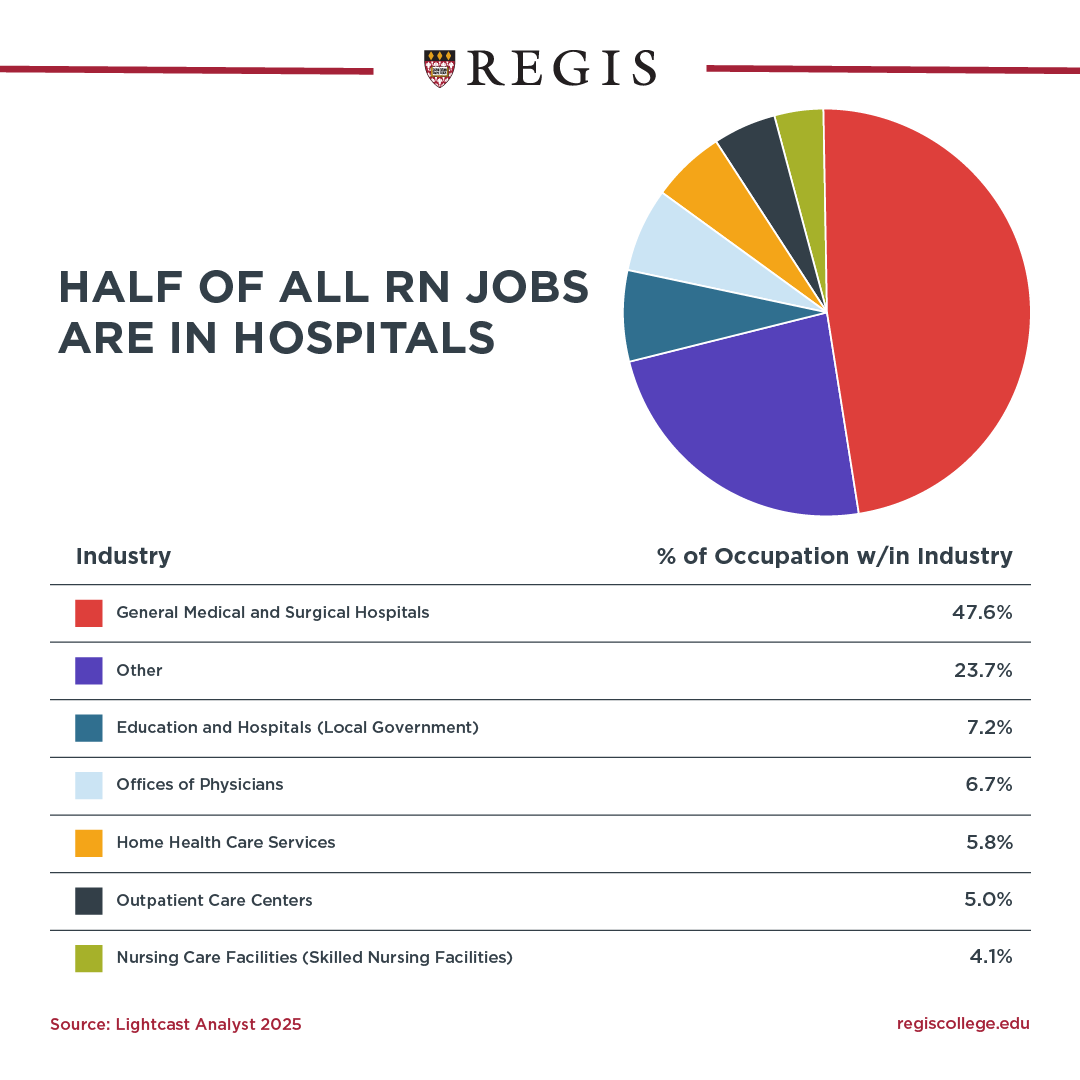
Becoming a registered nurse remains one of the most reliable, in-demand, and upwardly mobile career paths in healthcare. The accelerated format allows students to:
- Enter the workforce more quickly than through traditional four-year BSN programs
- Start earning earlier, which shortens the time needed to recoup educational costs
- Step into a career with strong stability and room for growth
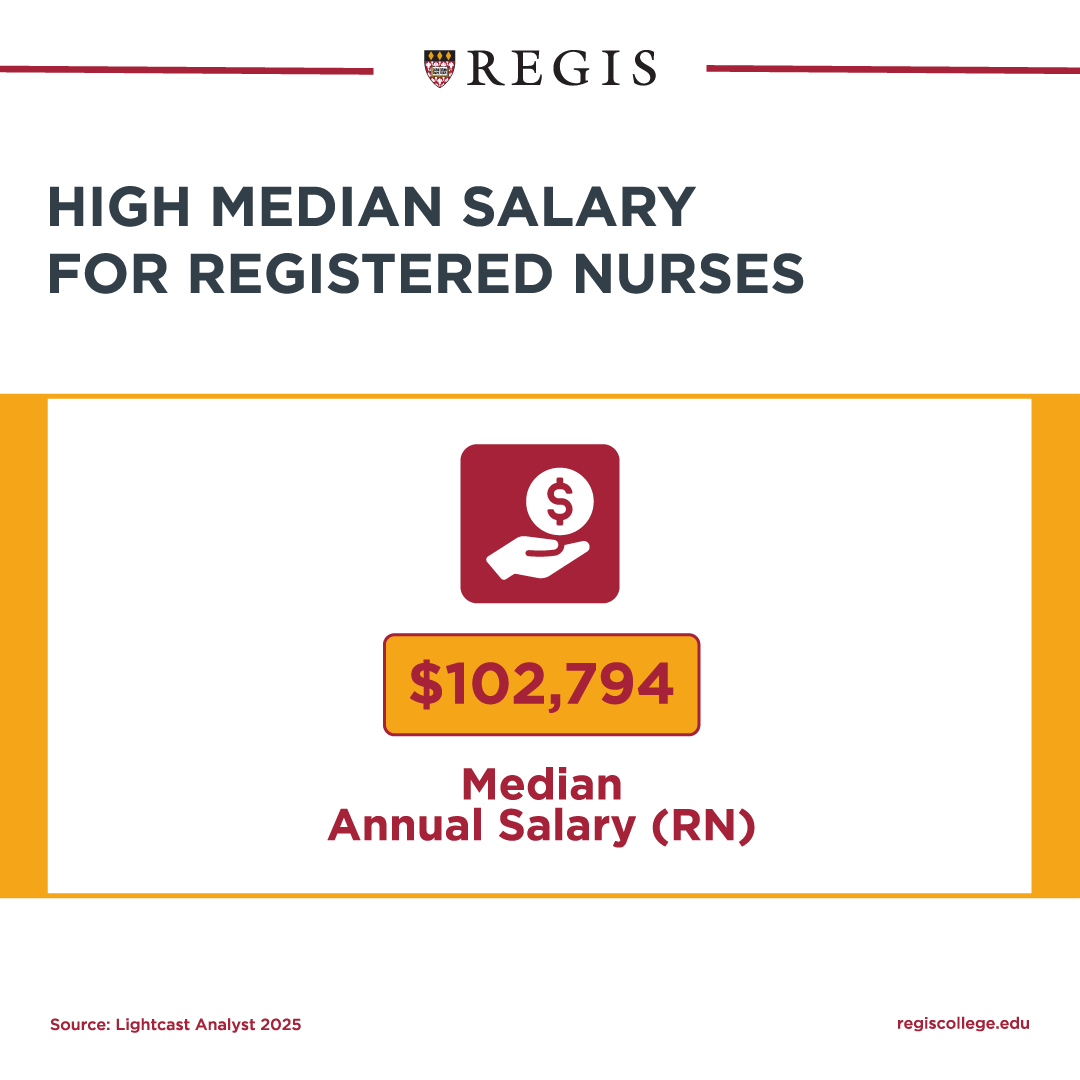
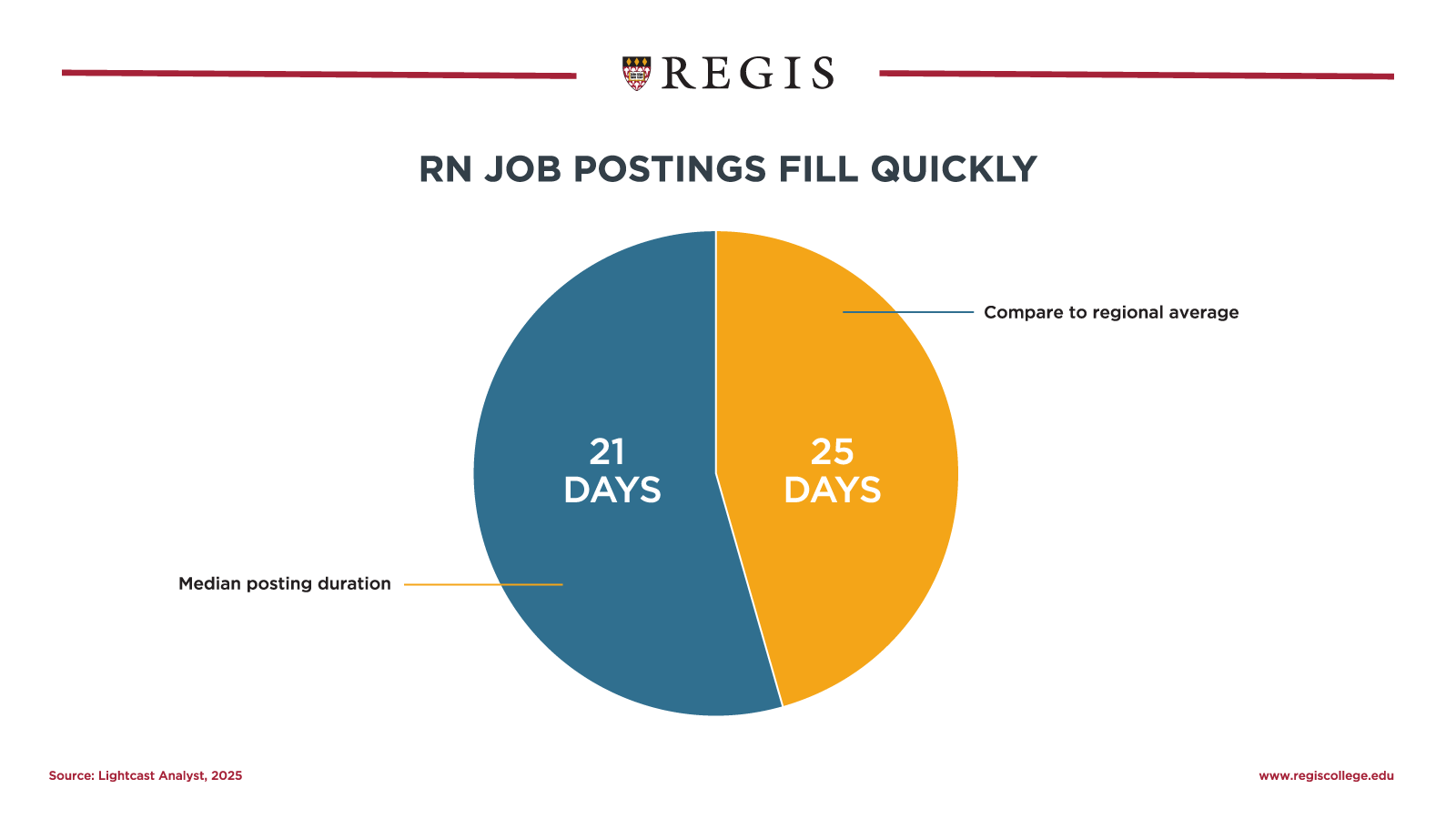
Regis’ long-standing reputation—including its ranking as the #1 accelerated BSN program in Massachusetts—along with healthy employment projections ($93,600 median salary; 5% growth projection, 2024-2034) for the coming years, help many students feel confident that their investment will pay off. And the program’s 93% NCLEX pass rate is evidence that graduates leave Regis immediately ready to begin their careers.
How Regis ABSN Students Commonly Pay for Their Education
Because the ABSN is considered a second bachelor’s degree, your financial aid eligibility is different from that of first-time undergraduate students:
- Students enrolled in Regis College’s second bachelor programs (16 and 24 Month ABSN) are eligible to apply for undergraduate federal aid. This program is eligible for federal and private student loans only at the undergraduate loan eligibility limit.
- Funding is typically a combination of federal loans, private loans, payment plans, and external scholarships.
Federal Financial Aid for ABSN Students
Most ABSN students start by completing the Free Application for Federal Student Aid (FAFSA). While grant options are limited, federal student loans are available.
FAFSA Timing
Because the program spans more than one academic year, you may need to file the FAFSA twice:
- Year One: covers spring and summer
- Year Two: covers fall and spring
Award letters are typically issued once all FAFSA data is resolved.
Direct Federal Loans
As second-degree undergraduate students, ABSN learners may qualify for:
- Dependent students: Up to $7,500 per academic year
- Independent students: Up to $12,500 per academic year
- Subject to aggregate lifetime loan limits, which may affect eligibility for students who borrowed heavily during their first bachelor’s degree
Loan requirements also require the completion of Entrance Counseling and the Master Promissory Note.
Private Student Loans
Many ABSN students use private education loans to supplement federal aid. These loans:
- Are credit-based
- May require a co-signer
- Can cover remaining tuition, fees, and living expenses
- Are often selected through tools like ElmSelect, which aggregates lender options
Private loans can be especially helpful for students who have reached their federal loan limits.
Payment Plans
Regis partners with a third-party payment system (Nelnet) to offer interest-free monthly payment plans.
These plans help students:
- Reduce reliance on private loans
- Spread tuition costs evenly across the semester
- Align payments with work or family budgeting needs
For many ABSN students—particularly those balancing part-time work—payment plans create much more predictable financial planning.
External Scholarships and Grants
While institutional merit aid is generally not available for ABSN students, several outside scholarships can help reduce total costs.
- MetroWest Health Foundation Scholarship: Up to $4,000 for eligible students from one of the 25 towns in Boston’s MetroWest region who are enrolled in nursing or clinical programs.
- National and Regional Nursing Scholarships: Students often pursue the American Association of Colleges of Nursing (AACN) scholarships; the National Black Nurses Association awards; the Foundation for Nursing Education scholarships; local community foundation awards; and hospital-based or employer-related scholarships.
Award amounts vary but may range from a few hundred to several thousand dollars.
Employer Tuition Assistance
Some ABSN students will be eligible for employer tuition reimbursement after they begin working as nurses, but a few may qualify for assistance even before completing the degree, particularly if employed by healthcare organizations that support career advancement.
Common benefits include:
- Annual tuition reimbursement (often up to $5,250)
- Professional development funds
- Support for continuing education after entering the nursing workforce
While these programs may not reduce upfront ABSN costs, they can meaningfully support ongoing nursing education or future graduate study.
Strategic Partnerships
Those enrolled in the 24-month ABSN track are eligible for Regis’ Strategic Partnership Benefits program, where employees of participating organizations can take advantage of discounts—10% off tuition.
Military and Veteran Education Benefits
Regis participates in the GI Bill ® and Yellow Ribbon Program, both of which can significantly reduce costs for veterans, active-duty service members, and eligible dependents.
Tips to Build a Realistic ABSN Budget
Understanding tuition is just one part of financial planning. Here are practical strategies students often use to manage the full cost of the program.
1. Build a Year-by-Year or Term-by-Term Budget
Include both academic and living expenses:
- Tuition and fees
- Housing
- Food
- Clinical-related transportation
- Health insurance
- Books and materials
- Childcare, if applicable
2. Factor In Lost Income
Because the 16-month program is intensive and full-time, students must reduce work hours or pause employment entirely. Even in the more flexible 24-month program, work schedules must be built around labs and clinicals.
Planning for temporary reduced income—through savings, partner support, or careful budgeting—helps prevent surprises once the program begins.
3. Look for Hidden Savings Opportunities
Many students identify ways to reduce overall ABSN costs, such as:
- Living at home or with family
- Sharing housing with classmates
- Finding affordable transportation options
- Using used or digital textbooks
- Taking advantage of student discounts for technology and supplies
These smaller adjustments can add up significantly over 16–24 months.
4. Layer Funding Sources
Most ABSN students use multiple funding sources rather than relying on one.
A typical combination might look like:
- Federal Direct Loans
- Private education loans
- Monthly payment plans
- External scholarships
- Personal savings or part-time income (especially in the 24-month track)
Using layered funding is often the most realistic way to manage costs without overextending any single loan source.
5. Meet Early With Financial Aid Counselors
Regis offers personalized support through:
- One-on-one financial aid counseling
- Application walkthroughs
- Pre-advising calls
- Information sessions
Talking with the financial aid team early in the process can help you:
- Understand your loan eligibility
- Plan for tuition billing cycles
- Prepare a realistic monthly budget
- Explore scholarships or employer benefits you might not realize you're eligible for
Many students find this step invaluable as they assess their readiness to begin the program.
What Separates the Regis ABSN Program from the Rest
While many colleges offer accelerated nursing programs, several qualities make the Regis ABSN experience distinctive and help students feel confident in their decision to invest in the university:
- Two Pathways to Fit Your Life: Choose between a 16-month on-campus program or a 24-month hybrid option, both built on the same rigorous 60-credit nursing curriculum.
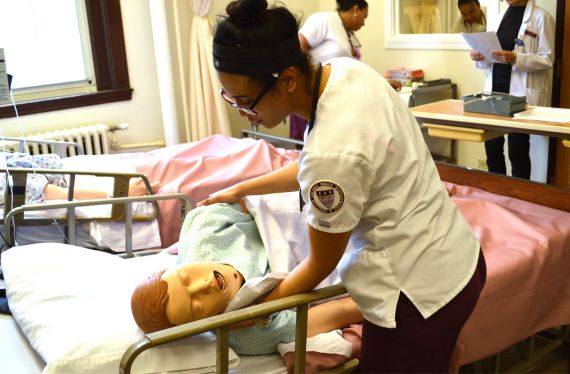
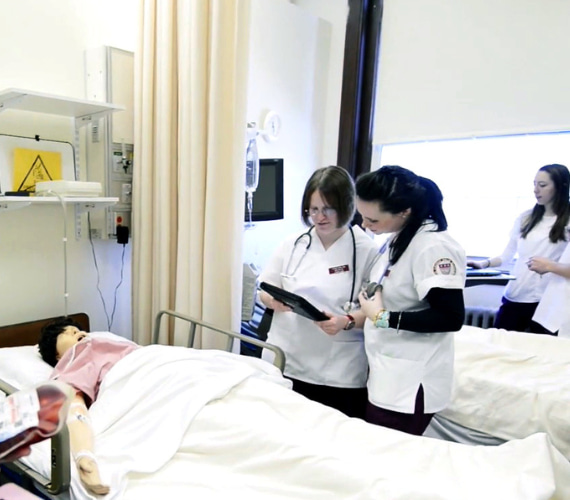
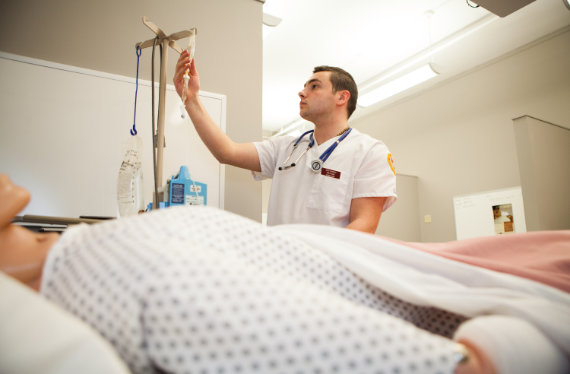
- Simulation Labs: Regis students train in simulation environments that mirror real clinical situations, helping build confidence before entering patient-care settings.
- Strong Clinical Partnerships in Greater Boston: Students complete clinical rotations in respected hospitals and healthcare systems, gaining exposure to diverse patient populations and care environments.
- Personalized, Small-Cohort Learning: Faculty get to know students well, creating a close-knit educational environment that supports academic growth and skill development.
- A Proven Track Record: Regis’s ABSN has been recognized as the #1 accelerated nursing program in Massachusetts, reflecting its quality, outcomes, and longstanding reputation in the region.
- A Community Rooted in Support: From faculty to advising staff, Regis nurtures students through an intensive program that requires focus, resilience, and a commitment to nursing.
This high-level overview helps reinforce the value of the Regis experience without delving into curriculum details, employer outcomes, or student success stories—topics that will be explored more deeply in other posts in your content series.
Take the Next Step Toward Your Nursing Career
Now that you have a clearer understanding of the full ABSN cost, the types of financial aid available, and the practical strategies students use to make the program affordable, you may be wondering what comes next.
Choosing an accelerated path into nursing is a significant investment, but with transparent tuition, strong student support, and two flexible track options, Regis College remains one of the top ABSN choices for career changers ready to move into nursing with confidence.
If you’re ready to learn more or want help mapping out your next steps, Regis offers several ways to get started. Taking the first step can bring you closer to a rewarding new career in nursing—and Regis is here to support you throughout the journey.
Related Blogs
GI Bill® is a registered trademark of the U.S. Department of Veterans Affairs (VA). More information about education benefits offered by VA is available at the official U.S. government website.
Published Date