
Nurses considering a master’s degree are often weighing several factors at once. No doubt, one of the biggest considerations is cost.
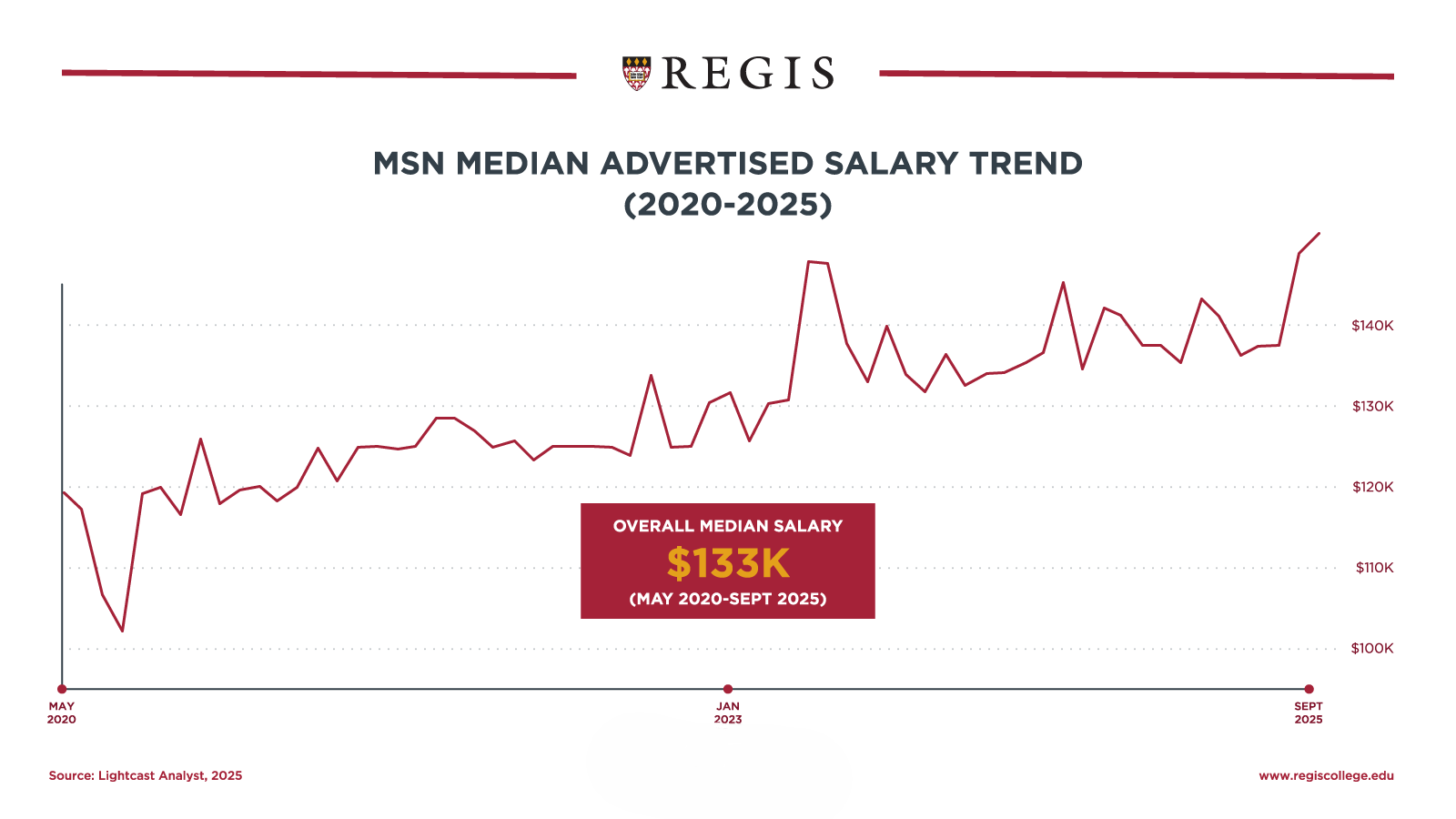
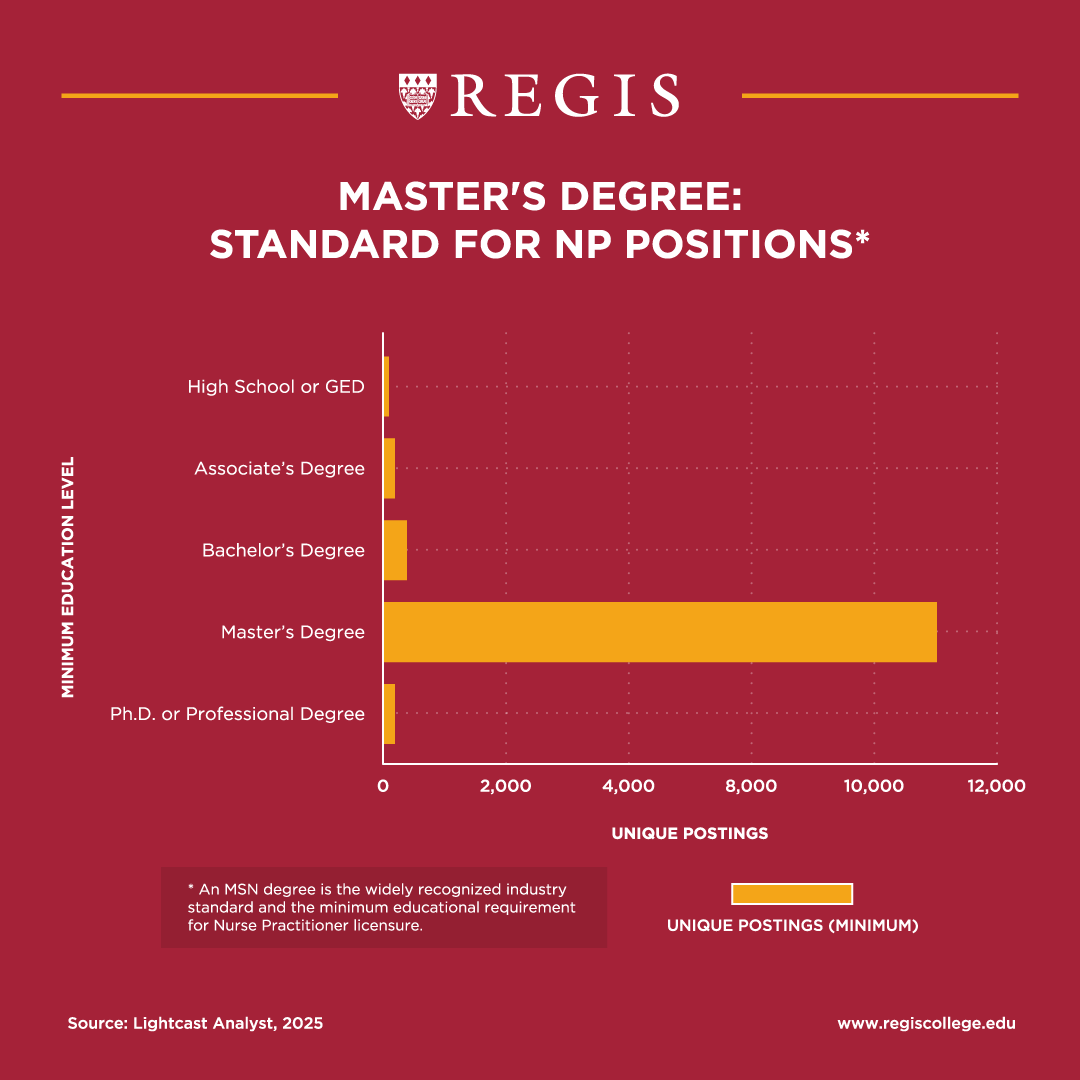
Graduate education is a serious investment, but also one that routinely delivers powerful returns. MSN-prepared nurses not only gain advanced clinical expertise and autonomy but also command some of the highest salaries in the healthcare field, with sustained demand projected for the next decade.
Understanding what your degree will cost, and how you can pay for it, is essential when planning your future. Here we’ll break down the costs, payment options, and financial benefits of Regis College’s Master of Science in Nursing (MSN) program, giving you the information you need to make an informed, confident decision about your next step in nursing.
Key Takeaways
- The cost of a Master of Science in Nursing (MSN) program varies significantly based on factors such as institution, program type, and credit requirements.
- Regis College offers both hybrid and online programs, with per credit costs ranging from $1,025 to $1,275 per credit.
- Students can pay for their MSN through multiple financial options, including federal financial aid, scholarships, employer tuition assistance, and flexible payment plans, with additional discounts for employees, members, and spouses of partner organizations.
- With high national demand and average NP salaries exceeding $130,000 per year, the MSN remains one of the most financially and professionally rewarding graduate degrees in healthcare.
How Much Does an MSN Degree Cost?
MSN program costs vary widely depending on format, specialization, and institution type. Many accredited programs fall in the $20,000–$60,000 range for total tuition, with program length, specialty area, clinical placement requirements, and more influencing overall expense.
Private universities tend to have higher tuition rates per credit but often provide stronger student support, smaller class sizes, and more personalized advising—elements that can make a significant difference in completion rates and outcomes.
As Julia Martyn, a Professor in the Regis College Young School of Nursing, explains, programs like the one at Regis can provide the kind of personal touch that many others cannot, equaling more ROI. “We have smaller cohorts which means…we’re able to really support our students very, very well on [an] individual level…we have an excellent [first-time] passing rate…above national standards.”
How Much Does Regis’s MSN Program Cost?
At Regis College, tuition is structured per credit hour, varying slightly by track. As of fall 2025, the current tuition rates are:
- $1,275 per credit (on-campus/hybrid MSN-NP)
- Estimated total program cost is approximately $61,000, depending on track and course load. As a private institution, Regis offers small class sizes, individualized support, and strong faculty mentorship that deliver significant long-term value for your investment.
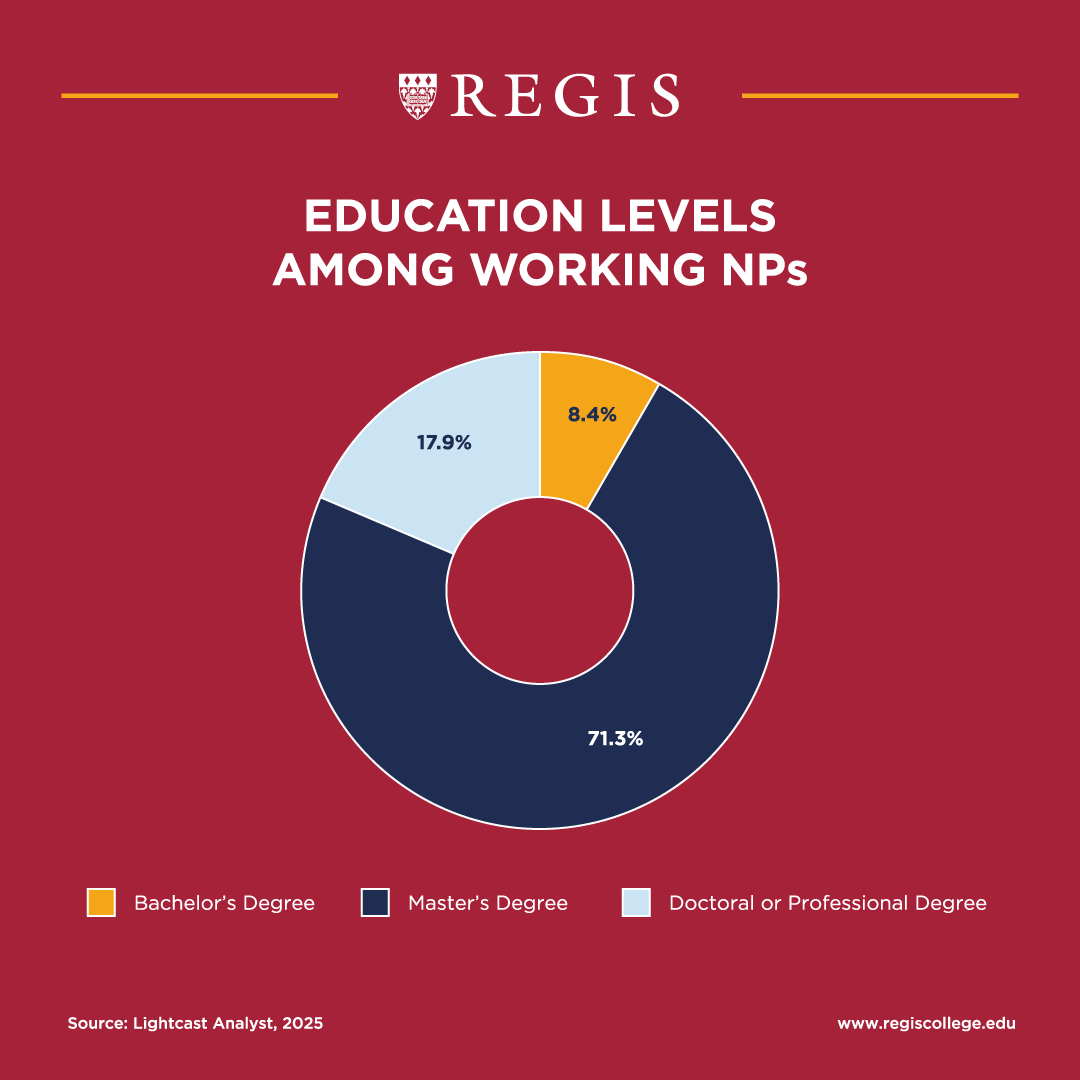
- Credit requirements vary by concentration and track. As an example, the Family Nurse Practitioner track requires 48 credits while Psychiatric Mental Health Nurse Practitioner track requires 51. Regis offers six NP specialties—Family, Pediatric, Adult-Gerontology Primary Care, Adult-Gerontology Acute Care, Psychiatric Mental Health, and Women’s Health—along with an MSN in Nursing Leadership for nurses aiming to move into management and administrative roles.
Additional costs to consider include:
- Technology Service and Support fee: About $580
- Program-specific fees: Amounts vary by timing/courses
- Clinical compliance: Immunizations and background checks are required; costs vary by provider.
Earning a graduate degree is a meaningful investment in your future, and Regis MSN graduates consistently see that investment pay off through strong career advancement and financial returns.
Ready To Start Your Nursing Journey?
Download our guide to find out which degree is right for you.

Is an MSN Worth the Cost?
The short answer: yes.
While MSN programs require time, effort, and financial planning, the career and salary growth they offer can make them one of the most valuable investments in healthcare education. That’s true not only for nurse practitioners but also for nurses pursuing leadership or management roles through Regis’s MSN in Nursing Leadership, which prepares graduates for positions such as nurse manager, director of nursing, or clinical operations leader.
According to the Bureau of Labor Statistics (BLS), nurse practitioners earned a $132,050 median wage in May 2024, with 35% projected employment growth 2024–34. Registered nurses earned $93,600 (May 2024).
Beyond the financial ROI, MSN-prepared nurses gain:
- Greater autonomy in clinical decision-making.
- Expanded career options, including leadership, education, and policy roles.
- Flexibility in practice setting—hospital, outpatient, community, or telehealth.
- Improved patient outcomes through advanced evidence-based care.
Ways to Pay for Your MSN at Regis College
Regis offers several pathways to help students finance their education responsibly and reduce out-of-pocket costs, so as to avoid accruing overwhelming debt.
1. Federal Financial Aid (FAFSA)
Graduate students at Regis are eligible for federal loans through the Free Application for Federal Student Aid (FAFSA). Completing the FAFSA is the first step toward securing aid, as it determines eligibility for Direct Unsubsidized Loans and, in some cases, Graduate PLUS Loans.
Some MSN students also qualify for income-driven repayment plans after graduation, which adjust monthly loan payments based on income and family size.
2. Scholarships and Grants
Fewer scholarships often exist at the graduate level compared to undergraduate programs, however opportunities are available, especially for nurses committed to primary care, underserved communities, or public health.
Sources include:
- HRSA’s Nurse Corps Scholarship Program
- State nursing associations and hospital foundations
- Employer-sponsored education grants
- Regis College internal scholarships (merit-based awards for select MSN students)
- Regis College Strategic Partnership Tuition Discounts (for partner organization employees, members, or employee spouses)
3. Employer Tuition Assistance
Many hospitals and healthcare systems offer tuition reimbursement programs to help employees who are interested in pursuing an advanced degree. Under IRS Section 127, up to $5,250 in employer-provided education assistance can be tax-free.
4. Flexible Payment Plans
Regis offers monthly and semester-based payment plans that allow students to spread tuition payments across the academic year. These can be combined with loans or employer reimbursement for added flexibility.
5. Military and Veteran Benefits
Active-duty military members, veterans, and eligible family members may qualify for education benefits through the GI Bill® or Yellow Ribbon Program. Eligible students may also take advantage of partnership benefits that reduce tuition by 10–25%, making advanced education even more accessible.
Tips for Budgeting and Financial Planning
Here are some strategies to help you stay organized and financially confident throughout your MSN journey:
- Start Early: Apply for financial aid and scholarships as soon as possible—many funding sources operate on a first-come, first-served basis.
- Compare Costs by Credit Hour: Rather than looking only at total tuition, calculate the cost per credit and total credits required for your track. This gives you a clearer comparison among programs.
- Build a Semester-by-Semester Budget: Include tuition, books, commuting, and lost income (if you reduce work hours). Create a realistic picture of what each term will cost and how you’ll cover it.
- Explore Tax Benefits: Certain education expenses may be deductible, and nurses paying student loans may qualify for the Student Loan Interest Deduction or Lifetime Learning Credit.
- Inquire About Assistance/Discount Programs: Check with your employer about possible tuition assistance programs, and check to see if your company is a partner with Regis College as you may be eligible for their Partnership Discount.
- Keep Long-Term ROI in Mind: On average, nurse practitioners earn around $41,000 more per year than registered nurses, based on national compensation data comparing average NP salaries ($132,000) with RN salaries ($91,000). That pay differential allows many MSN graduates to recoup their educational investment within just a few years of practice.
How Regis College Supports Affordability
From transparent tuition to personalized advising, Regis College Master of Science in Nursing (MSN) program is committed to helping students make informed financial decisions and succeed academically.
Students also benefit from:
- Dedicated Financial Aid Counselors: to assist with FAFSA, scholarships, and employer forms.
- Academic and Career Advising: to help align course schedules with work commitments.
- Flexible Program Formats: designed for working professionals balancing school and career.
- Expansive Alumni Network: where you can join a high volume of Regis-trained nurse leaders operating both regionally and nationwide, providing an unparalleled resource for mentorship and career advancement.
- Employer Partnerships/Tuition Discounts: where employees, and in some cases family members of employees, of partnering organizations are eligible to receive tuition reductions and streamlined pathways to advance their education.
These supports reinforce Regis’s reputation as a student-centered institution where accessibility and academic excellence go hand in hand.
Investing in Your Future
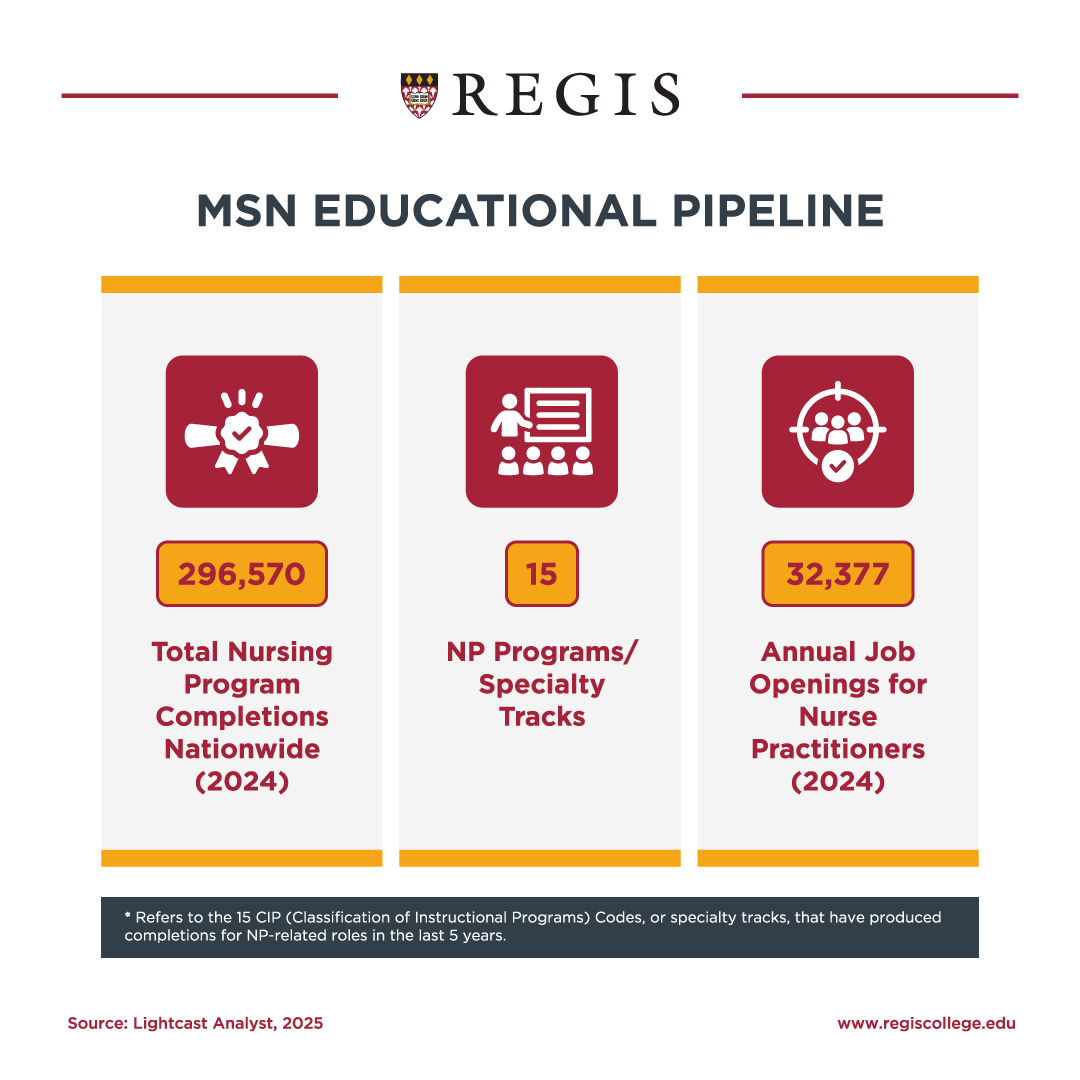
The cost of an MSN may feel daunting, but for most nurses, it’s a strategic investment in lifelong professional growth. As the healthcare landscape evolves, the need for advanced practice nurses continues to rise—and so do the opportunities for those ready to lead.
Regis College’s MSN program offers a clear path toward that future: one built on academic rigor, faculty mentorship, and a strong return on investment.
If you’re ready to take the next step, explore your financial aid options and start your application today.

Related Blogs


GI Bill® is a registered trademark of the U.S. Department of Veterans Affairs (VA). More information about education benefits offered by VA is available at the official U.S. government website.
Published Date