
For many prospective graduate students, one of the first questions that comes up when considering a master’s degree in applied behavior analysis is simple: How much does a master’s degree in applied behavior analysis actually cost?
The answer matters—especially for working professionals and career changers who want to balance education with financial responsibilities. Understanding tuition, additional expenses, and available funding options can make the decision to pursue graduate school feel far more manageable.
At Regis College, the Master of Science in Applied Behavior Analysis (MS in ABA) is designed to prepare students for careers supporting individuals with behavioral needs while building the clinical and analytical skills required for professional certification. The program follows a cohort model and is typically completed in about two years, with some courses delivered in eight-week sessions and others ranging from approximately 12 to 15 weeks depending on the course format.
Below is a clear breakdown of tuition, potential additional costs, and the financial resources many students use to offset the cost of an ABA master’s degree.
How Much Does the MS in ABA Cost at Regis College?
For the 2025–2026 academic year, tuition for the Regis College MS in Applied Behavior Analysis program is $1,060 per credit. The program requires 40 credits, which brings the estimated total tuition to $42,400 before fees or additional expenses.
Because the program is structured over roughly two years, students typically spread tuition across multiple terms rather than paying the full amount at once. This can make the overall investment easier to plan for, particularly for students who continue working while enrolled.
Additional Costs to Plan For
Tuition is the largest part of the investment, but most graduate students will also encounter several smaller expenses while completing the program. These costs vary depending on individual circumstances, but they’re worth factoring into your financial planning.
- Student services and administrative fees: Graduate students may pay fees that support services such as academic support resources, student technology systems, and administrative operations. These fees can vary from year to year, so reviewing the most current fee schedule is helpful when estimating your total cost.
- Books and learning materials: Course materials are another routine expense. Some ABA courses rely on textbooks, academic journals, and professional resources that support learning in areas like behavioral assessment, ethics, and intervention planning.
- Technology and online learning tools: Students in graduate programs typically need a reliable computer and internet connection. Some courses may also require specific software tools or data-analysis programs used in behavior analysis training.
- Fieldwork-related expenses: The MS in ABA curriculum includes multiple fieldwork courses across the program, allowing students to gain applied experience in real behavioral health or educational settings. Depending on where you complete fieldwork, you may encounter costs such as transportation to fieldwork locations or background checks or onboarding requirements.
- BCBA certification and exam fees: Students who plan to become Board Certified Behavior Analysts ® (BCBAs) should also budget for certification-related costs. These expenses typically occur after completing the degree and supervised experience requirements. The Behavior Analyst Certification Board ® outlines the requirements and certification process for BCBA candidates, including examination and application fees.
Financial Aid Options for MS in ABA Students
Graduate students often combine several funding sources to help pay for their education. Federal financial aid, employer tuition support, scholarships, payment plans, and graduate assistantships are among the most common options.
Federal Graduate Loans
Many graduate students begin their financial aid process by completing the Free Application for Federal Student Aid (FAFSA). This determines eligibility for federal loan programs available to graduate and professional students.
One of the most common federal loan options for graduate students is the Direct Unsubsidized Loan. These loans are available regardless of financial need, and interest begins accruing while you are enrolled in school. Repayment typically begins after graduation or when enrollment drops below half-time.
Some students may also explore additional financing options to help cover education costs that exceed federal loan limits. Depending on individual circumstances, this may include private education loans, employer tuition assistance, or other financial aid resources.
Because federal loan programs and borrowing limits can change periodically, it’s important for students to review the most current information when completing the FAFSA or speaking with a financial aid advisor.
Scholarships and Outside Funding
Scholarships can significantly reduce the overall cost of graduate education. While many ABA scholarships are offered by professional organizations or foundations, students often discover opportunities through:
- Professional behavior analysis associations
- Autism advocacy groups
- Healthcare and behavioral health organizations
- National graduate scholarship databases
Because scholarship availability changes each year, many students research and apply for multiple opportunities throughout the program.
Employer Tuition Reimbursement
Another funding pathway that many students explore is employer tuition assistance.
Organizations that provide behavioral therapy, healthcare services, or educational support sometimes offer tuition reimbursement programs for employees pursuing advanced training related to their work.
Students currently working in behavioral health roles may want to ask their employer about:
- Tuition reimbursement benefits
- Professional development funding
- Education stipends
Regis College also maintains strategic partnerships with certain organizations that provide education benefits for eligible employees.
Payment Plans
Many graduate students prefer spreading tuition payments across smaller monthly installments instead of paying each semester’s balance all at once.
Payment plans can make graduate education more financially manageable by allowing students to align tuition payments with their monthly income.
Students interested in this option can contact the financial aid office to learn more about available payment plan structures.
Budgeting for Your MS in ABA
A thoughtful financial plan can help you approach graduate school with greater confidence. The following strategies can help you prepare for the costs associated with an ABA master’s program.
1. Estimate your monthly tuition commitment
Start by calculating how many credits you expect to take each term and multiplying that number by the tuition rate. This gives you a clearer sense of how much tuition may cost each semester or term.
Breaking the overall cost into smaller time-based payments can make the financial commitment easier to manage.
2. Plan ahead for supervision and fieldwork costs
Supervised fieldwork is an important component of becoming a Board Certified Behavior Analyst® (BCBA). Certification requires a minimum of 1,500 hours of supervised fieldwork, depending on the pathway and supervision model selected.
Because these experiences occur alongside graduate coursework, planning early for supervision arrangements can help avoid unexpected costs.
3. Maintain an emergency buffer
Unexpected expenses can arise during any graduate program. Setting aside a small financial buffer—if possible—can provide flexibility if circumstances change while you’re completing the degree.
Is the Investment Worth It?
For many students, pursuing a master’s degree in applied behavior analysis is about more than earning a credential—it’s about entering a growing field that provides meaningful career opportunities.
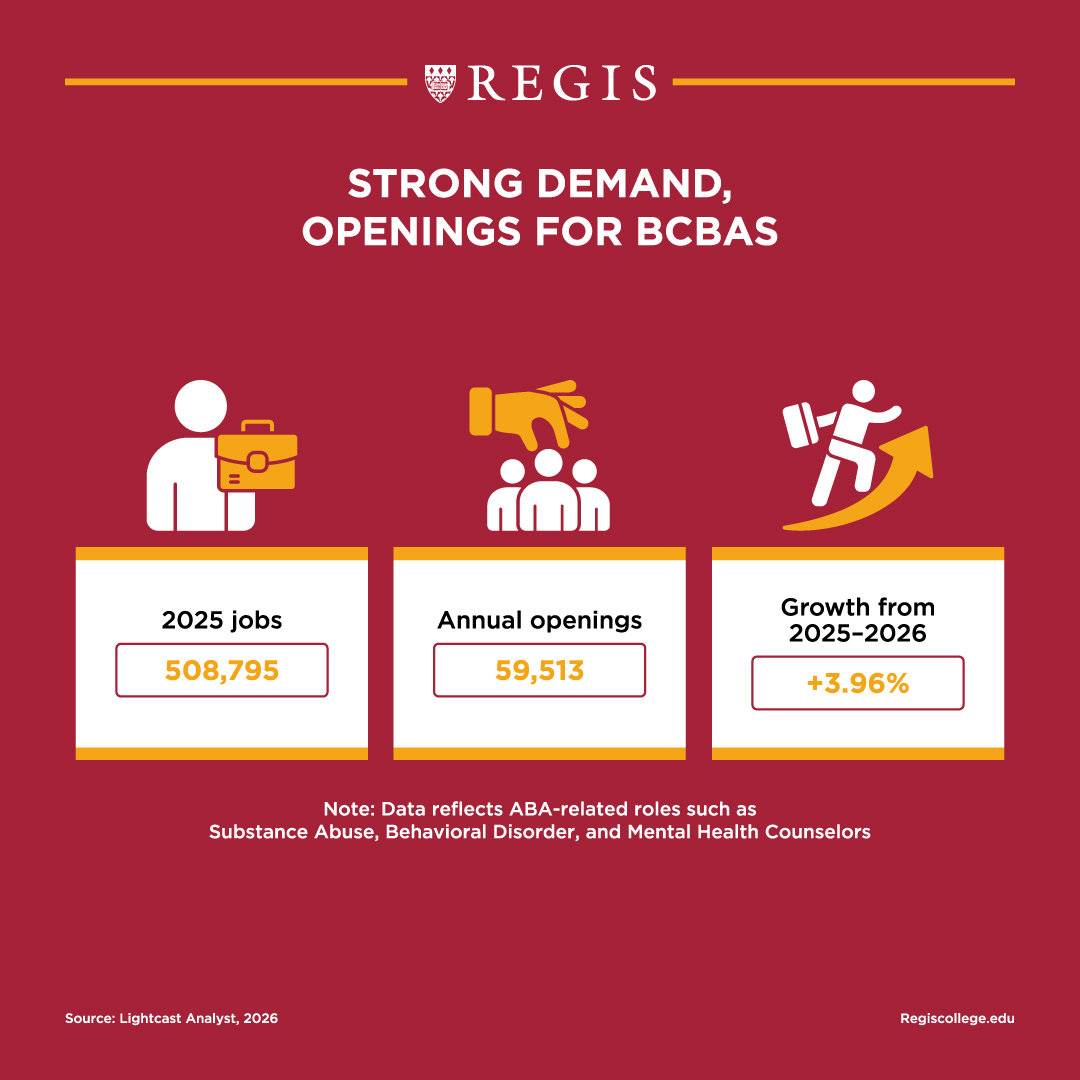
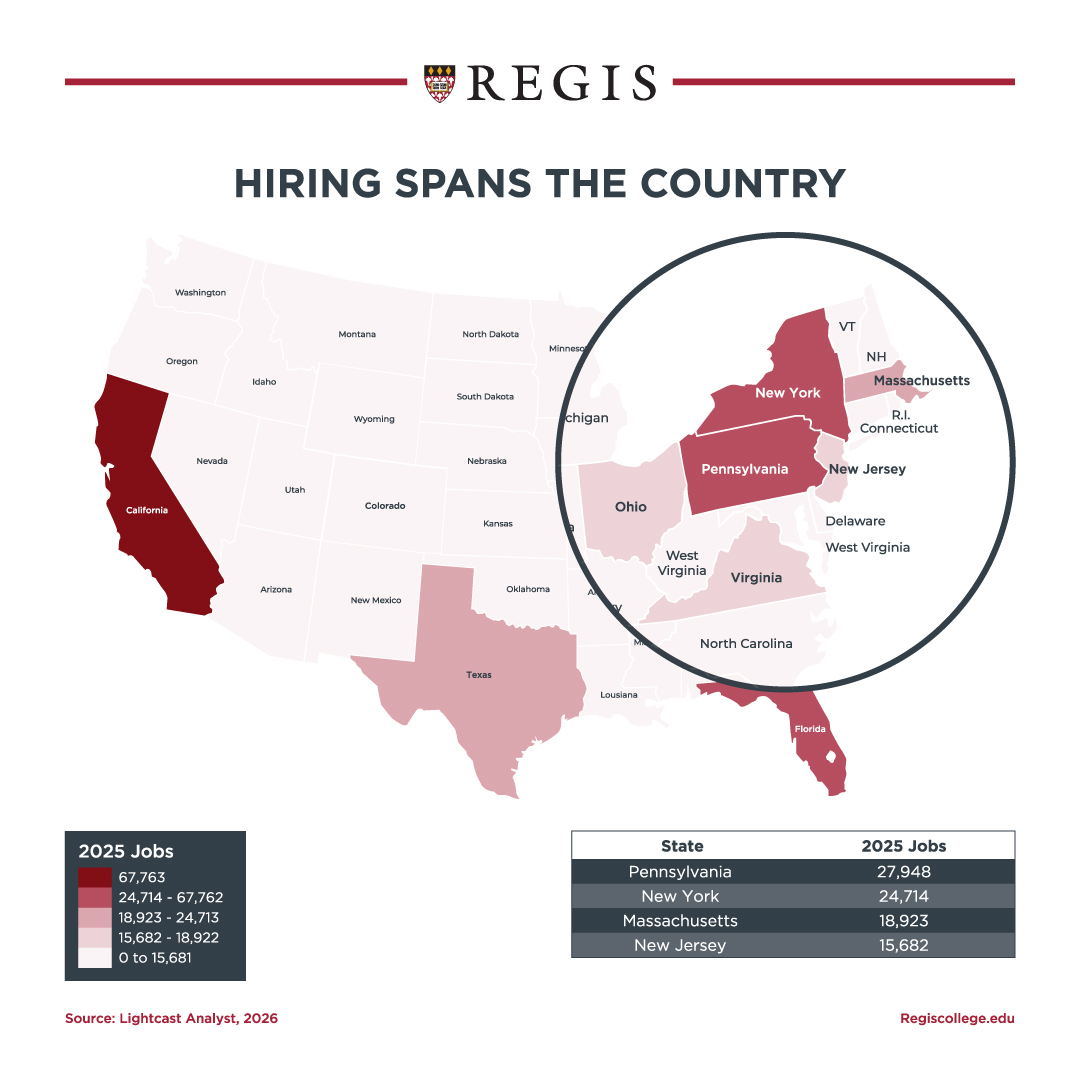
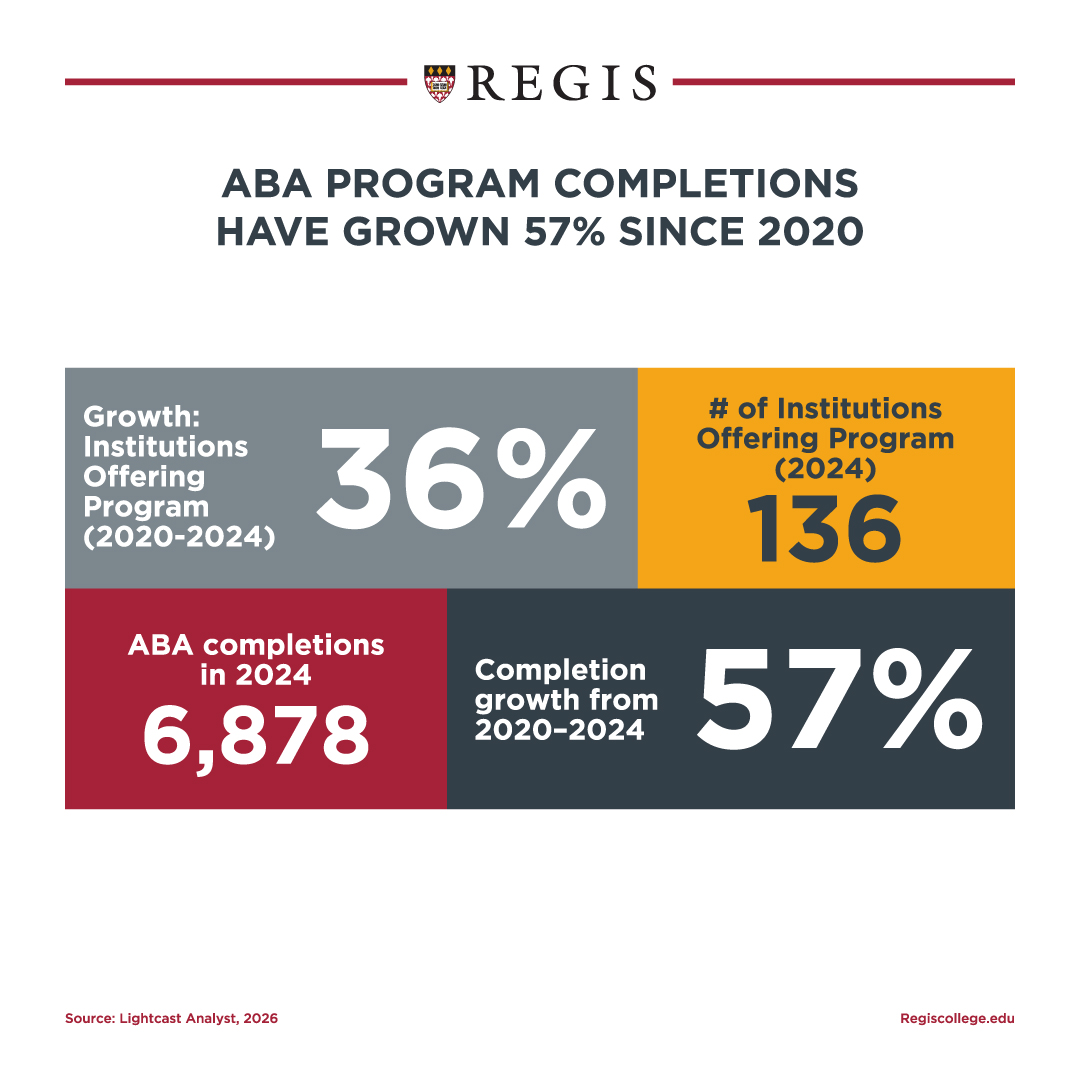
Demand for behavior analysts has increased steadily across the United States for more than a decade. Recent labor market analysis shows continued growth in job postings for Board Certified Behavior Analysts ®.
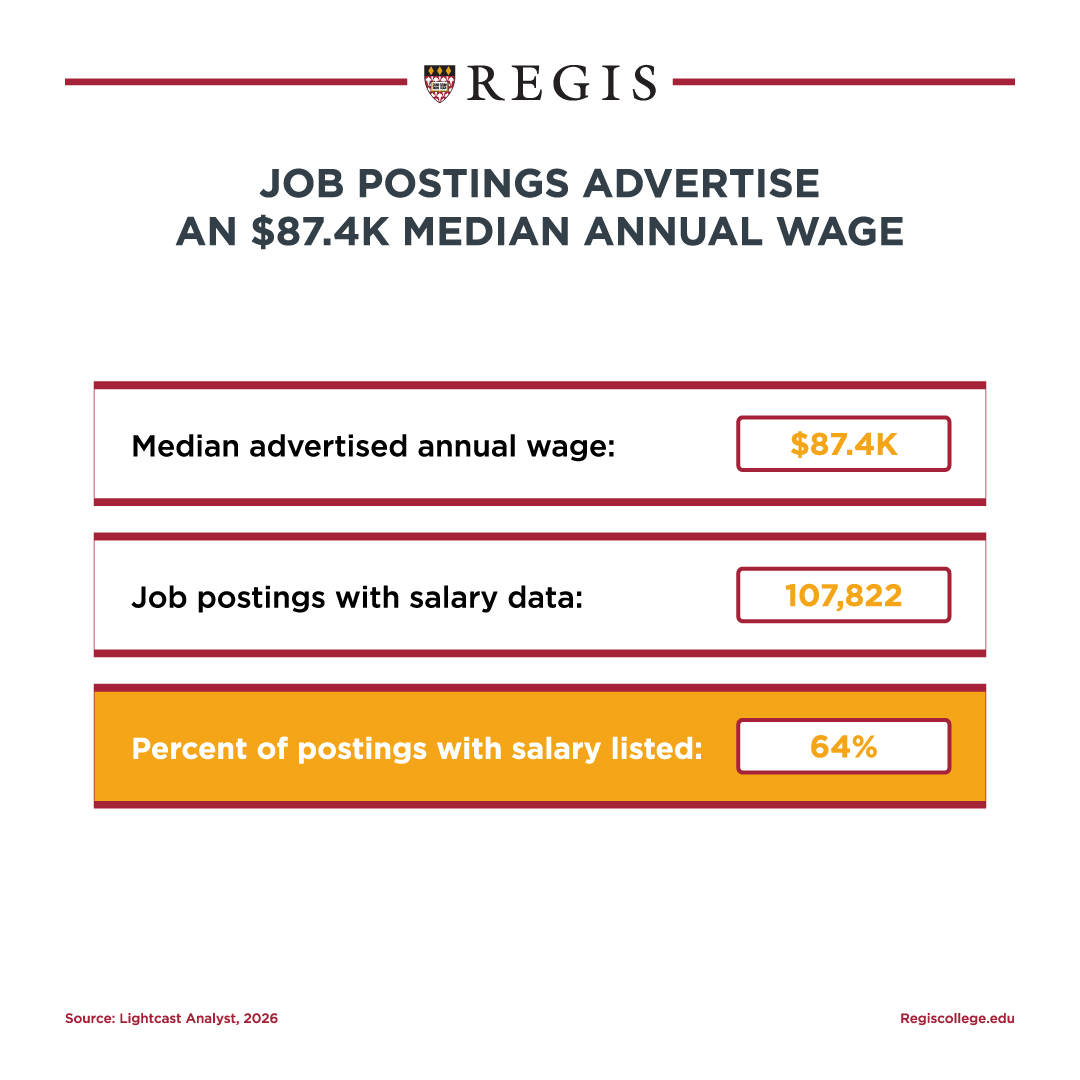
Salary estimates also reflect strong earning potential in the profession. National averages for BCBA ® salaries are typically around $90,000 to $94,000 per year, though compensation varies depending on experience, location, and workplace setting.
Many students pursue the degree specifically to qualify for the Board Certified Behavior Analyst ® (BCBA) credential, which can open doors to leadership and clinical roles in behavioral health.
The MS in Applied Behavior Analysis program at Regis combines academic coursework, fieldwork experience, and research training, helping students build the knowledge and practical skills needed to work in this evolving field.
If you’re exploring whether an MS in Applied Behavior Analysis is the right path for you, learning more about the program can help you evaluate both the academic and financial fit.


Published Date