
When prospective students look at graduate programs, they often start with the big-picture questions: Will this help me become a Board Certified Behavior Analyst® (BCBA)? Will it prepare me for the kind of work I want to do?
But just as important is a more practical question: What will I actually learn once I’m in the program?
That matters in applied behavior analysis because the work is highly practical. Students are not just learning terminology or theories in isolation. They are learning how to identify problems, assess behavior, interpret data, collaborate with caregivers and other professionals, and develop interventions that can make a meaningful difference in people’s lives.
At Regis College, the Master of Science in Applied Behavior Analysis is designed to connect those pieces. Through sequenced coursework, fieldwork built into the curriculum, and a structured thesis process, the program helps students build knowledge they can use in real settings.
Key Takeaways
- The MS in ABA curriculum at Regis is designed to build skills progressively, combining foundational concepts, applied practice, and research over time.
- Students learn core competencies like behavioral assessment, data analysis, intervention planning, and ethical decision-making.
- Fieldwork is integrated across multiple semesters, allowing students to apply what they learn in real-world settings throughout the program.
- The thesis is completed in stages, helping students develop research and analytical skills that support professional practice.
- The program prepares students for the Board Certified Behavior Analyst® (BCBA) credential while building practical, career-ready skills.
What You’ll Learn in the MS in ABA Program
At a high level, the curriculum is designed to help students build three core areas of learning:
- A strong foundation in behavior-analytic concepts.
- The ability to apply those concepts in practice.
- The judgment needed to work collaboratively, ethically, and effectively in real-world settings.
Students are not simply moving through a list of course titles but instead are learning how to think like behavior analysts—defining a problem, assessing when and why it is happening, developing a plan, and evaluating whether that plan is working.
As Jacquelyn MacDonald, PhD, BCBA-D, LABA, Regis MS in ABA Program Director, says, “At bare minimum that’s what a BCBA does, right? Figures out a problem and then, with the help of team members, work together to identify that problem and then find some solutions while continually evaluating the effectiveness of the intervention using data.”
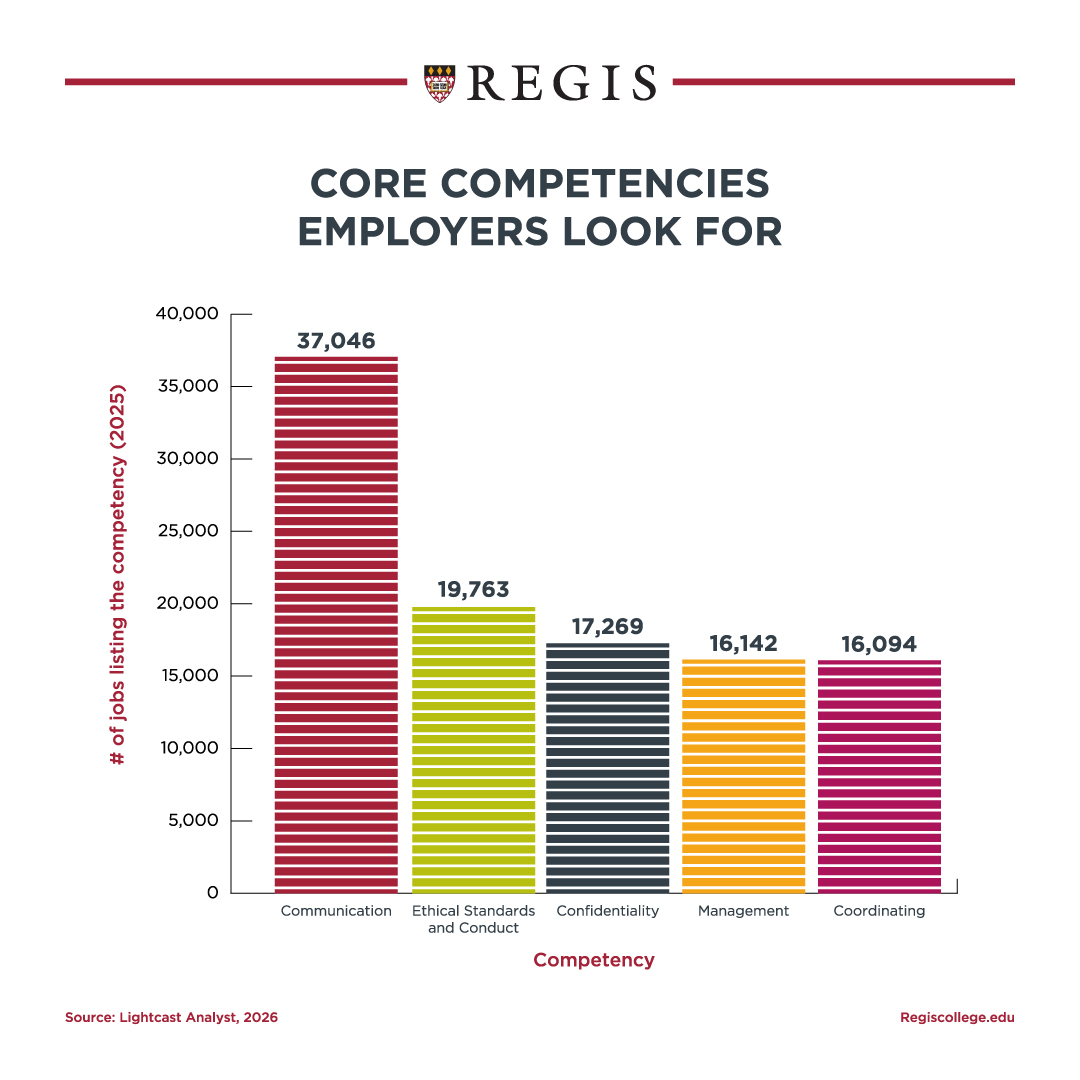
Foundational ABA Knowledge: Principles, Ethics, and Assessment
The curriculum begins with the foundations of behavior analysis. Students learn the scientific principles that explain how behavior is influenced by environmental factors, reinforcement, motivation, and learning history.
This foundation supports nearly everything students will do later in the program. Before you can recommend an intervention, you need to understand what is happening, what variables may be influencing behavior, and what data will help guide your decisions.
The curriculum also emphasizes ethical practice, which is especially important in a field that often involves close work with children, adults, families, and interdisciplinary care teams. Rather than treating ethics as a side topic, the program integrates it into professional preparation.
Students also build assessment skills that are essential to practice, including observing behavior, interpreting patterns, and using information to make more informed decisions about next steps.
Advanced Topics that Support Practice and Leadership
As students move through the curriculum, they encounter more specialized areas of study that expand how they think about behavior analysis in practice.
These include topics such as verbal behavior, supervision and training, and research-based problem solving. Together, these areas help students move beyond foundational knowledge and begin thinking about the broader responsibilities behavior analysts take on in the field.
That is especially true when it comes to supervision and collaboration.
Many Board Certified Behavior Analysts® (BCBAs) do not work alone. They work with caregivers, teachers, therapists, paraprofessionals, and other members of a support team.
MacDonald points to that as a core expectation of the profession. “A good BCBA is very collaborative; responsive to culture. They should be trauma informed and they should be able to work well with others.”
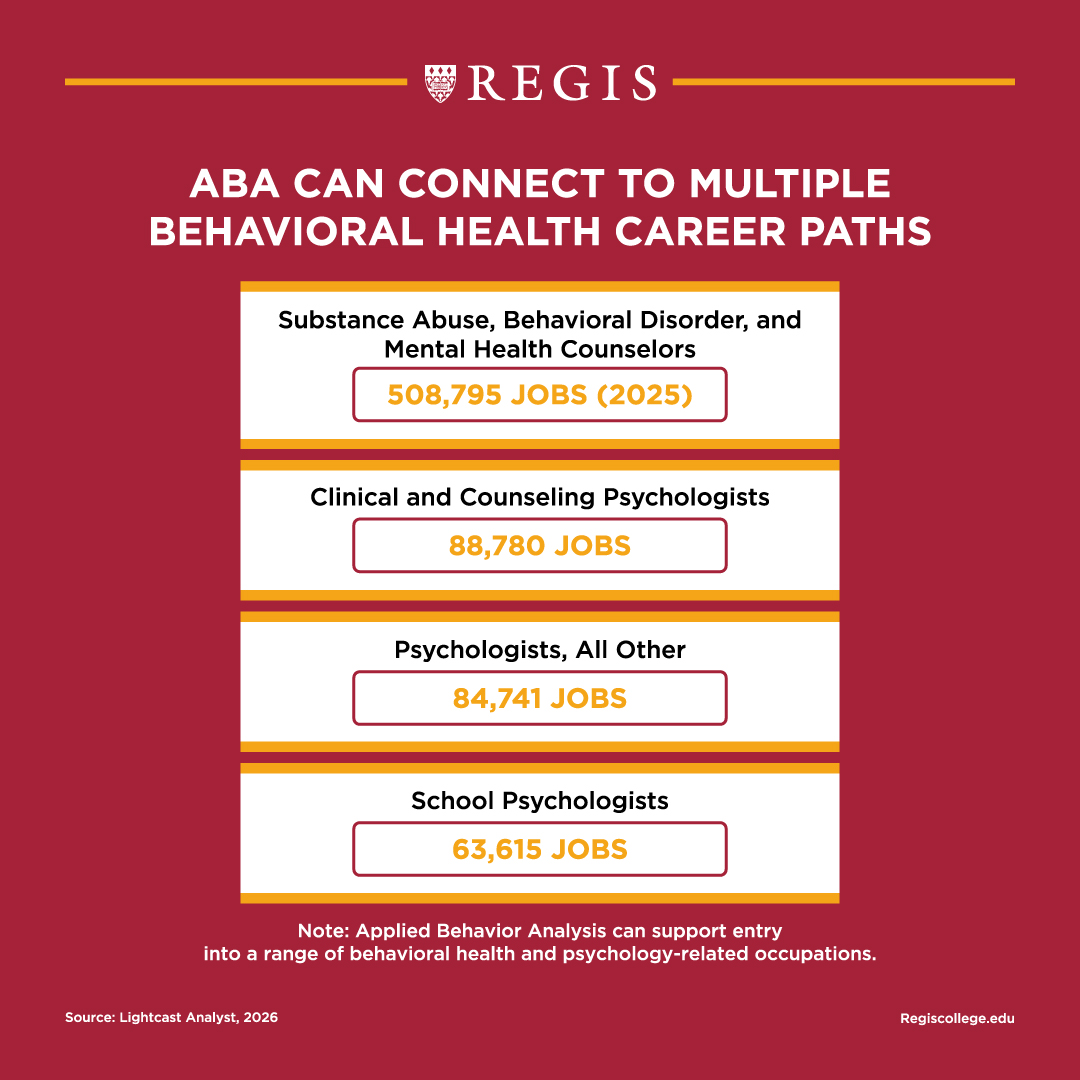
How the Curriculum is Structured Over Time
The Regis MS in ABA follows a cohort model and is presented as a two-year sample plan of study. That structure gives students a clearer sense of progression as they move from introductory material into more advanced coursework, fieldwork, and thesis work.
It is also important to describe pacing accurately. Some courses are delivered in eight-week sessions, while others run approximately 12 to 15 weeks depending on the course format. That variation reflects the different kinds of learning experiences built into the program.
MacDonald describes the curriculum as intentionally layered.
“We’ve set it up in a three-tier approach where each of the important concepts that a person would need to know in order to be a BCBA® are introduced to them at least three times throughout the program.” She explains that students encounter those ideas at increasing levels of depth, moving from introduction to development to mastery.
That sequencing helps reinforce learning over time. Instead of covering a concept once and moving on, students revisit major ideas in ways that build confidence and deepen understanding.
A Hands-On Learning Experience, Not Just a Lecture
Another strength of the program is the way learning happens in the classroom. The curriculum is not designed around long lectures and passive note-taking. It is built to keep students actively engaged with the material.
MacDonald explains, “We utilize an active classroom, which I think is really helpful. We usually lecture for only like 15 to 20 minutes and then do some sort of activity to enhance the students’ understanding of the material by doing something.”
That could mean scenario-based work, group discussion, applied exercises, peer teaching, or other forms of active participation. The result is a learning environment that encourages students to practice using concepts rather than just hearing about them.
This hands-on approach also supports one of the program’s broader goals: helping students become stronger collaborators. According to MacDonald, Regis incorporates interdisciplinary projects with occupational therapy and speech-language pathology students so ABA students gain experience “working well with others” and learning how to communicate across professional perspectives.
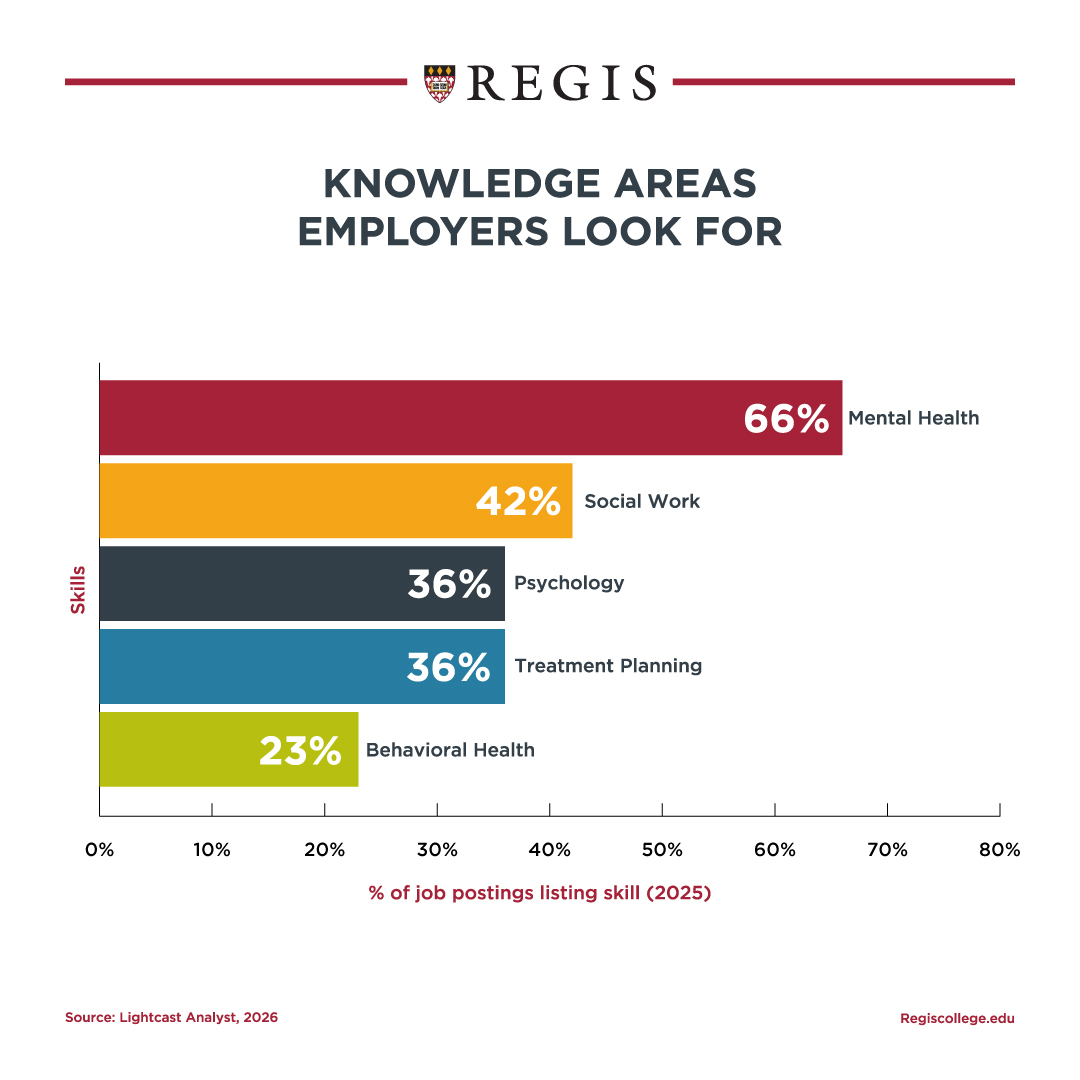
Fieldwork: Where Coursework Becomes Real-World Practice
One of the clearest ways the program connects learning to practice is through its fieldwork sequence. Rather than treating hands-on experience as a single, final requirement, the curriculum includes Fieldwork I, Fieldwork II, and Fieldwork III, with continuation options in some cases.
This is important because students are applying course concepts while they are still learning them. They are not waiting until the very end of the degree to start connecting knowledge to practice.
Depending on their setting and responsibilities, students may gain experience with work such as:
- Observing and documenting behavior
- Collecting and interpreting data
- Contributing to assessment and intervention planning
- Supporting caregiver or staff training
- Collaborating with supervisors and other team members
MacDonald emphasizes that Regis supports students closely in this process. “We help you navigate job placement,” she says. “We also provide a lot of support in the fieldwork and how you can document your fieldwork hours.”
That support is part of what makes the learning experience feel more guided and more connected to students’ goals and intended settings.
Understanding the Thesis Requirement
For some prospective students, the word thesis can make a graduate program sound more abstract or intimidating than practical. In the Regis curriculum, the thesis is structured in a way that makes the process more gradual and more manageable.
Rather than being treated as one large standalone assignment, the thesis is sequenced over multiple terms:
- Thesis Research I
- Thesis II
- Thesis III
- Thesis Research IV
That staged structure allows students to develop a question, engage with research, organize evidence, and work through the writing and analysis process over time instead of all at once.
It also reinforces an important point about the program: research is not separate from practice. Students are learning how to ask better questions, evaluate evidence, and think analytically about behavior and intervention. Those are practical skills for future clinicians, supervisors, and problem-solvers.
What You’ll Actually Be Able to Do as an MS in ABA Graduate
One of the best ways to evaluate a curriculum is to translate it into real professional capabilities. By the end of the program, students should be better prepared to do the kinds of work that matter in applied settings.
That includes learning how to:
- Identify and define behavioral concerns clearly
- Assess when a problem is happening and when it is not
- Interpret data and use it to guide decisions
- Contribute to intervention development
- Collaborate with caregivers and team members
- Supervise or support others more effectively
- Approach practice with stronger ethical and cultural responsiveness
MacDonald highlights cultural responsiveness as one of the most important professional skills students need to build: “You have to be culturally responsive number one, right? You have to be aware of your own culture and the culture of your clients so that you can work collaboratively with them.”
In other words, the program is not only about learning how ABA works. Students learn ways to apply it thoughtfully, responsibly, and in partnership with others.
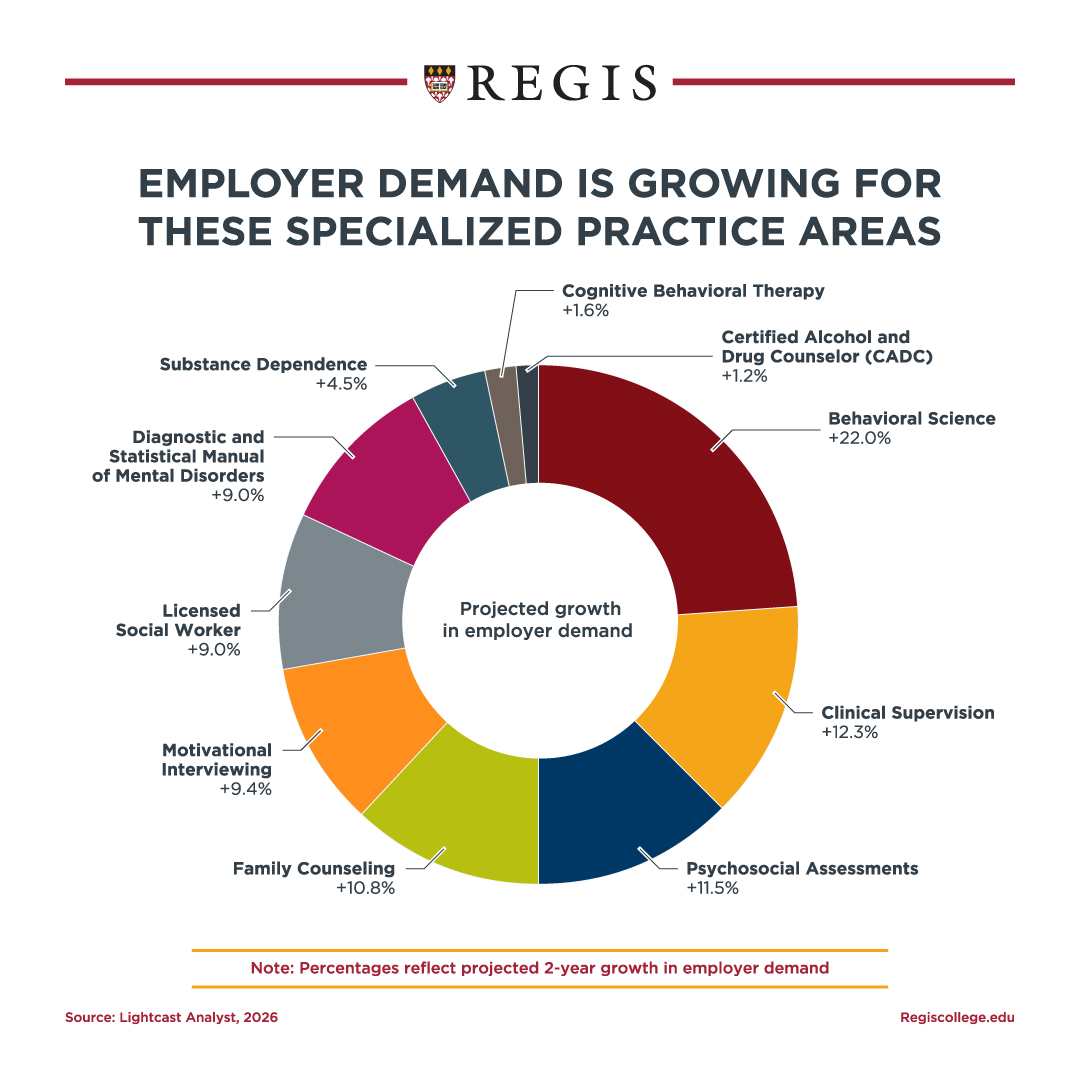
How the Curriculum Supports BCBA Preparation
The curriculum is also designed to support students who plan to pursue the Board Certified Behavior Analyst® (BCBA) credential. Coursework, fieldwork, and progressive skills development all contribute to that preparation.
What stands out here is that the program does not frame readiness as memorizing content alone. It emphasizes repeated exposure to key concepts, active learning, collaboration, and applied experience. That combination can matter as much as the content itself.
MacDonald points to that repeated exposure as one reason students grow in confidence over time: students may recognize a concept from an earlier course, but later they are expected to understand it more fully and use it at a higher level. That progression helps shift students from introductory knowledge toward mastery.
A Curriculum Designed to Build Confidence in Practice
Prospective students often want more than a list of classes. They want to know whether a program will help them become capable, confident, and prepared for the realities of the field.
That is where the Regis MS in ABA curriculum makes its strongest case. It combines foundational coursework, active classroom learning, fieldwork across multiple semesters, interdisciplinary collaboration, and a structured thesis process to help students build both competence and confidence.
MacDonald describes one of the most rewarding parts of that process this way: “I see students come in, not really know what they’re doing, right? And then by the time they graduate, they’re confident. They’re able to affect change quickly and effectively and compassionately.”
For students who want a graduate experience that connects theory, research, and practical application—all at a Tier 1 university accredited by the Association for Behavior Analysis International (ABAI)—that kind of progression matters.
Take the Next Step to Becoming a BCBA
Choosing the right MS in ABA program is about more than checking off course requirements. It’s about finding a program that helps you build the knowledge, practical skills, and professional confidence needed to succeed in the field. A strong curriculum should do more than introduce behavior-analytic concepts. It should help you learn how to assess behavior, use data to guide decisions, collaborate with families and other professionals, and apply interventions thoughtfully in real-world settings.
That’s what makes the Regis College MS in ABA worth a closer look. With sequenced coursework, built-in fieldwork, a structured thesis process, and a hands-on approach to learning, the program is designed to help students connect theory to practice over time. For prospective students who want a graduate experience that is rigorous, supportive, and closely tied to the realities of behavior-analytic work, Regis stands out as a strong option to consider.
To learn more, you can explore the MS in Applied Behavior Analysis program:


Published Date