
If you completed most or all of your doctoral coursework but never finished the dissertation, you may have come across the term “all but dissertation,” or ABD. In practical terms, ABD means you reached the dissertation stage but did not complete the final requirement needed to earn the degree.
That experience is more common than many people realize. Doctoral completion research from the Council of Graduate Schools points to mentoring, program environment, and institutional processes as important factors in whether students finish.
In other words, students do not always stop because they lack ability. Often, they stop because the dissertation phase requires a different kind of support than coursework does.
Certain programs, such as Regis College’s EdD in Leadership | All But Dissertation (ABD) Completion program, are designed around that reality: helping students who completed most or all of their doctoral coursework return to the dissertation process with more structure, guidance, and momentum.
Below, we’ll look at why students become ABD, what an EdD ABD completion pathway actually involves, and how the right support can help returning doctoral students move from ‘almost finished’ to completed.
Why Does ABD Status Matter?
ABD status matters because it helps define both the challenge and the opportunity:
- ABD means you completed substantial doctoral work
- ABD does not mean you earned the doctorate
- ABD does not necessarily mean you need to start over
On one hand, it clarifies that the student is not starting from scratch. Someone who is ABD has usually already invested significant time, money, and intellectual work into doctoral study. On the other hand, it also highlights that the most independent part of the doctorate—the dissertation—is still unfinished.
That distinction matters for professionals considering next steps because the right path forward may not be a brand-new doctoral program. It may be a completion pathway designed specifically for students who are already academically advanced but need support finishing the final stage.
For the Regis program, that distinction is especially useful. The university’s broader EdD in Leadership is designed for scholar-practitioners who want to lead change, solve problems of practice, and apply research in real educational and organizational settings. The ABD pathway—one of the only offered in the Northeast—exists for students who already did much of that earlier work and now need a structured route to complete the dissertation and finish the degree.
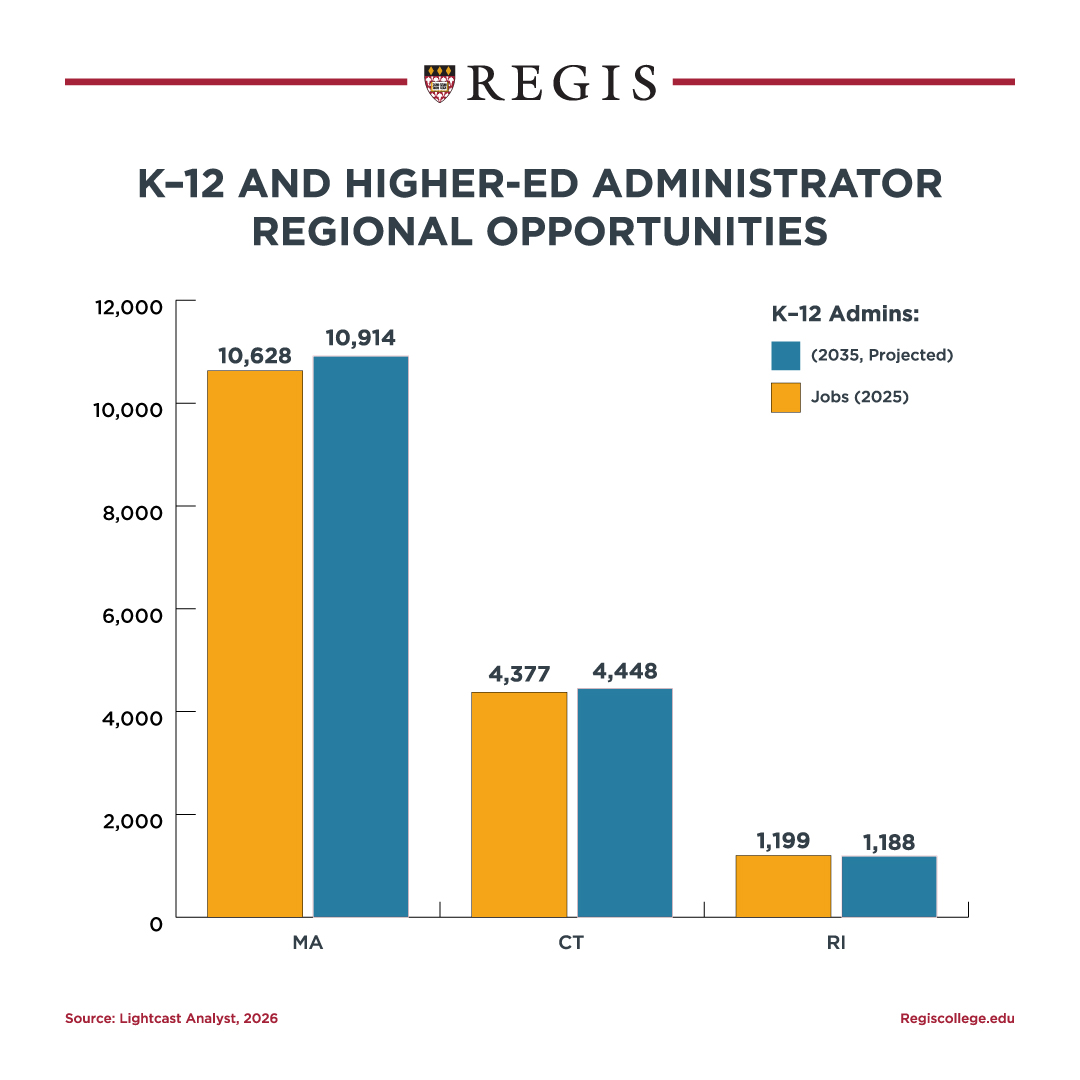
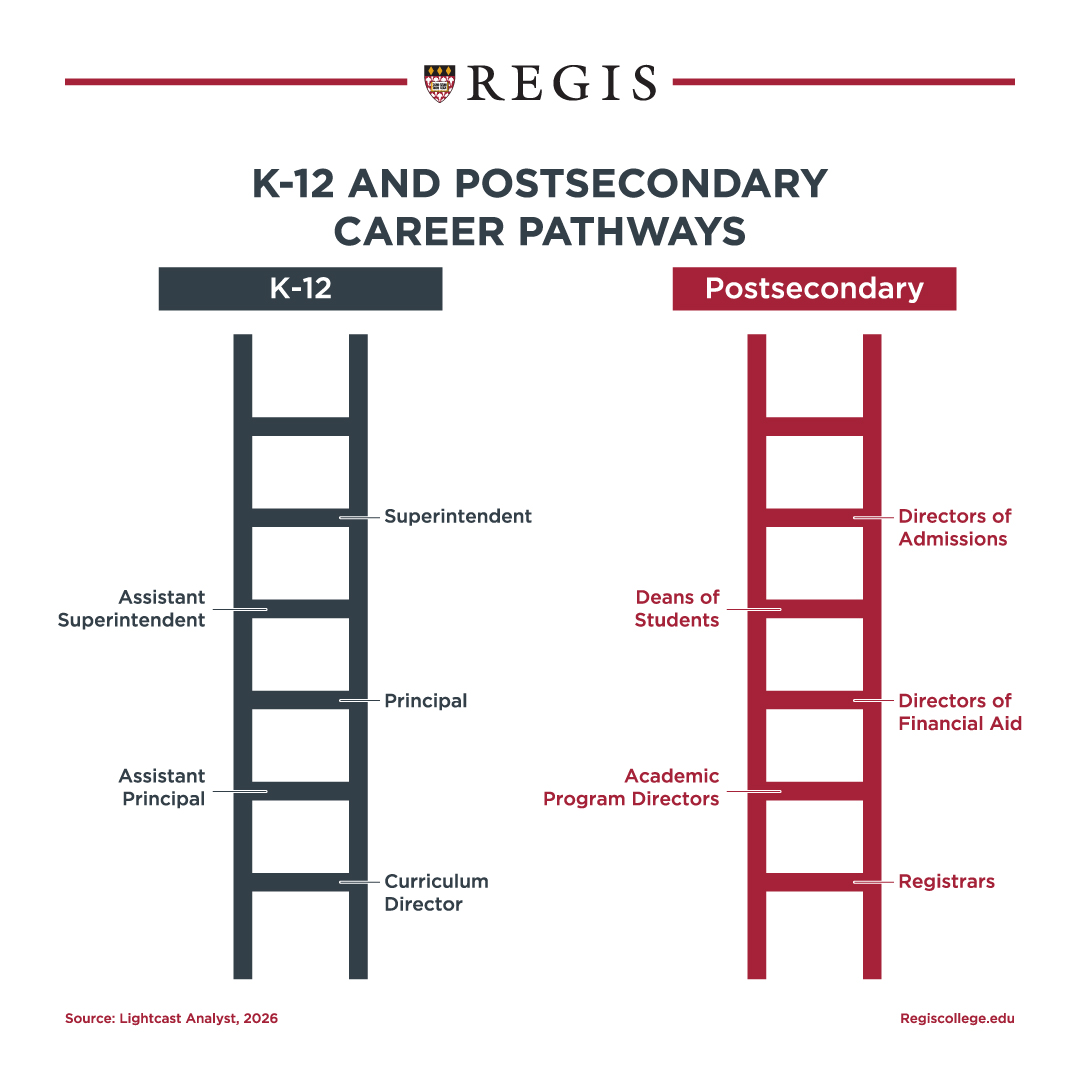
Doing so can immediately open up opportunities in both K-12 and postsecondary administrative roles.
Why Do Students Become ABD?
There is no single reason students become ABD. Heather Maietta, EdD, Professor at Regis College, explains that students often stop for reasons that have less to do with ability and more to do with circumstance and support.
She notes that life events, program fit issues, and the abrupt shift into independent research and scholarly writing all contribute to stalled progress.
Life Happens During Long Doctoral Journeys
Doctoral programs take time. For many students, especially working professionals, that timeline overlaps with major life changes.
Common reasons students stall include:
- Full-time work responsibilities growing more demanding
- Family and caregiving commitments
- Financial pressure
- Relocation or career transitions
- Burnout after years of balancing multiple priorities
Maietta notes that lengthy doctoral studies can stretch across several years, and for many the dissertation phase becomes difficult to sustain.
Dissertation Work Requires Different Skills Than Coursework
Many students succeed in classes because coursework is structured.
There are deadlines, assignments, instructor feedback, and a visible sequence of tasks. Dissertation work is different. It often requires a student to manage a long-term research process with less day-to-day structure.
As Maietta explains, dissertation work is “very independent” and requires a different set of skills than excelling in coursework. It often involves deep research and scholarly writing that is ‘not typically taught’ in the same way coursework skills are.
That helps explain why students who did well in doctoral classes can still struggle at the dissertation stage. Success in one phase of the doctorate does not automatically prepare someone for the next.
The Original Program Was Not the Right Fit
In some cases, students become ABD because their original program did not align well with their life, learning style, or support needs.
That may look like:
- Limited faculty accessibility
- Too little accountability once coursework ended
- A format that did not work well for working professionals
- Minimal support for research methods or scholarly writing
- A dissertation process that felt overly isolated
This is part of what makes “fit” such an important topic when students think about returning to complete their work. A strong completion pathway should not simply re-enroll students and hope they find their way through. It should address the reasons they stalled in the first place.
What Happens After You Become ABD?
For many, the real question ABD students face is a question of what kind of structure would make finishing realistic now. Finding an answer to that question usually leads them down one of three paths:
- Stay stalled and postpone the dissertation indefinitely
- Try to finish independently with limited support
- Re-enter through a structured completion pathway designed for returning doctoral students
Not every student needs the same kind of support. Some may only need renewed motivation and better time management. Others need a more formal structure, explicit research and writing support, and regular faculty feedback.
That distinction is one reason the ABD conversation matters so much. The right next step depends not just on whether you want to finish, but on what kind of environment will actually help you do it.
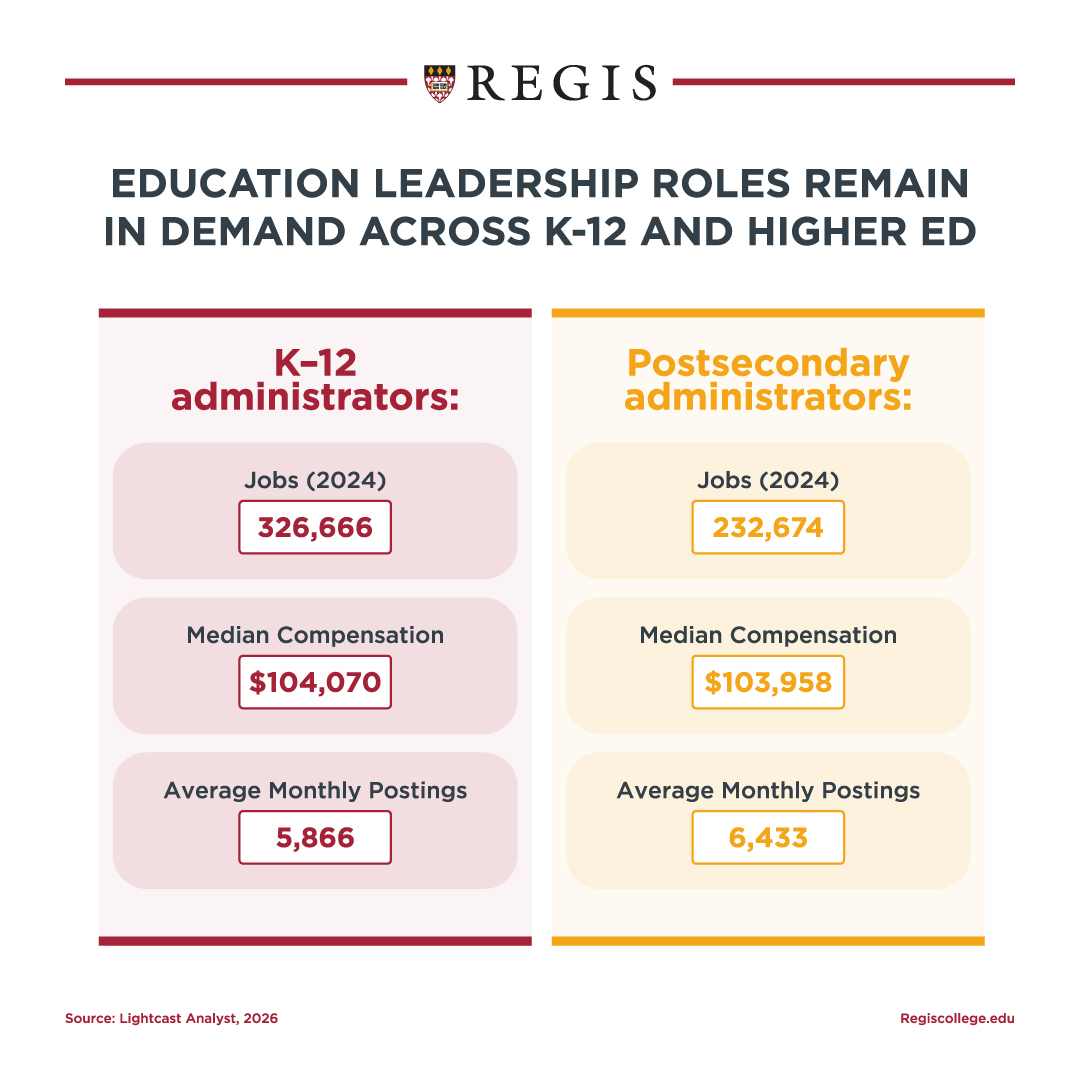
Once completed, the doctorate allows candidates to enter an in-demand field for education leadership roles across sectors.
What is an EdD ABD Completion Pathway?
An EdD ABD completion pathway is a program designed for students who need a structured way to finish the dissertation and complete the degree.
At Regis, that pathway is not simply a loose advising arrangement. It is a defined academic structure built around dissertation progress.
The program is designed to re-engage students with research and scholarly writing before moving them through dissertation proposal, literature review, methodology, findings, and conclusion/recommendations.
How it Differs From Starting a Doctorate From Scratch
An ABD completion pathway is different from restarting an entire EdD because it is built for students who have already completed substantial doctoral work. At Regis, the ABD option requires 30 credits, whereas the full EdD in Leadership is a 51-credit program.
That difference matters for students who are not looking to start over, but to return and finish in a more focused, completion-oriented environment.
Maietta explains that Regis intentionally “attach[es] a course to each doctoral dissertation chapter,” which helps students continue taking classes while learning how to execute each part of the dissertation instead of teaching themselves the process alone.
That structure is important because it helps students:
- Keep moving instead of losing momentum
- Learn how to approach each dissertation chapter
- Rebuild confidence in research and scholarly writing
- Receive feedback in real time
- Stay connected to faculty and peers
Maietta also notes that the program fosters close, one-on-one relationships between students and faculty and includes a cohort model, both of which support students as they move through the dissertation process.
Who is an ABD Completion Program Right For?
An ABD completion program is not for everyone. But it may be a strong fit for students who recognize themselves in the following descriptions:
- Students who completed most or all of their doctoral coursework
- Students who are ready to re-engage seriously with research and writing
- Working professionals who need structure, accountability, and guidance
- Adults who want to finish the doctorate without starting over from scratch
It may be especially relevant for professionals whose careers have continued advancing while the unfinished doctorate remains in the background. That includes people working in education, higher education, nonprofits, healthcare, and other leadership-focused fields.
For the Regis program, applicants are expected to have completed most or all doctoral coursework, hold at least a 3.0 GPA, submit recommendations, provide prior dissertation material as a writing sample, and explain the barriers that prevented them from completing the dissertation earlier.
Those expectations reflect what the program is built to do: help serious returning students re-enter with purpose and acquire a credential that helps them stand out in an environment where employers are increasingly looking for a certain set of skills.
Ask Yourself These Questions When Considering Completing Your Dissertation
If you are unsure whether an ABD completion pathway fits your situation, these questions can help clarify your next step.
Have I completed most or all of my doctoral coursework?
If yes, you may already be much closer to completion than it feels.
Did I stall at the dissertation stage rather than during classes?
If so, the issue may have been the dissertation process itself, not your ability to succeed in doctoral study.
Am I looking for more structure, feedback, and accountability?
Students who struggle in unstructured dissertation environments often benefit most from a program designed to support steady progress.
Am I ready to return to research and scholarly writing now?
A completion pathway can help rebuild momentum, but it still requires time, effort, and renewed commitment.
Would a format built for working professionals make finishing more realistic for me?
This matters more than many students initially think. Regis’ ABD pathway includes online delivery with virtual Saturday sessions, reflecting the reality that many returning doctoral students are balancing careers and personal responsibilities.
ABD Status Does Not Have to be the End of Your Doctorate
For many professionals, ABD status feels like an unfinished chapter they are not sure how to close. But being all but dissertation does not have to mean your doctorate is permanently out of reach.
What it often means is this: you completed a significant amount of doctoral work, then hit the most independent and difficult phase of the degree without the right structure, timing, or support. That is a very different story than failure, and it opens the door to a very different next step.
Regis built its EdD in Leadership All But Dissertation (ABD) Completion program around that reality. With coursework tied to dissertation progress, faculty support, a cohort model, and a completion-focused structure, the program is designed to help returning students move from stalled progress to a finished doctorate.
If you are ready to explore what finishing could look like, start by reviewing Regis College’s EdD in Leadership All But Dissertation (ABD) Completion program page, exploring the curriculum, and looking through tuition and admission requirements.
For more information, and to better understand how the ABD Completion pathway fits your goals, timeline, and prior doctoral work:



Published Date