
If you have already completed years of doctoral coursework and only the dissertation stands between you and the degree, you’ve likely moved from asking, “Can I finish?” to, “Will finishing actually be worth it?”
Returning to doctoral work means weighing time, tuition, family obligations, professional goals, and the mental load of stepping back into research and scholarly writing.
And yet for many, finally completing their dissertation is absolutely worth it. Doing so can strengthen credibility, support leadership advancement, open doors in higher education and other education-focused settings, and help turn years of unfinished work into a completed credential with real professional value.
Regis College’s EdD in Leadership All But Dissertation (ABD) Completion program, for instance, is designed for students in exactly that position: professionals who have already demonstrated they can succeed in doctoral study and now need the right path to complete the dissertation and move forward.
Key Takeaways
- For the right All But Dissertation (ABD) student, finishing an EdD can offer professional, financial, and personal value, including credibility, closure, and stronger leadership positioning.
- The completed doctorate may be especially valuable for professionals pursuing higher education, district leadership, faculty, or senior administrative roles.
- Principal and assistant principal roles often require a master’s degree and licensure, but a completed EdD can strengthen advancement potential.
- ROI should not be measured by salary alone; it can also include confidence, professional credibility, career transition, and the ability to use prior doctoral work.
- Regis’ ABD Completion pathway is designed to help students finish through structure, dissertation-focused coursework, faculty support, and career application.
What “Worth It” Really Means for ABD Students
For many, completing their dissertation means career advancement. For others, it is about professional credibility. Still others are looking for closure, confidence, and finally finishing something that was started years prior.
Return on investment for ABD students can mean many things to different individuals.
Financial Return
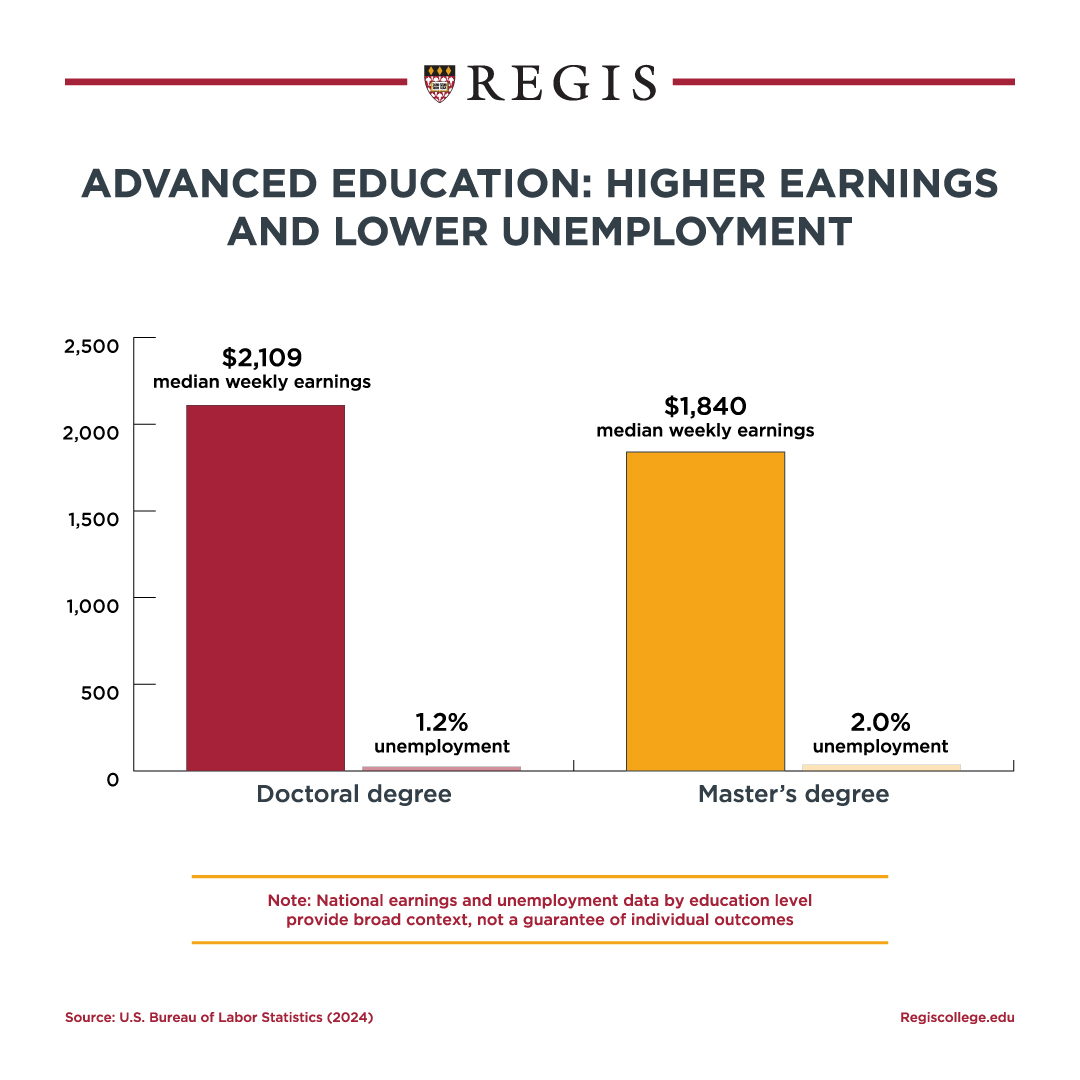
For some students, the financial question is the most immediate one. They want to know whether completing the doctorate can support stronger long-term earning power, broader leadership opportunities, or access to roles that would have been harder to secure without the finished degree.
The most recent data from the marketplace bears that out. According to Lightcast, a labor market analytics company, education administrators, kindergarten through secondary, earned a median annual salary (nationwide) of $104,070 (2024), while postsecondary education administrators earned a median annual salary of $103,958 (2024).
Of course, completing an EdD does not automatically produce a raise or guarantee a particular title. Instead, it can strengthen positioning for high-value roles, make a candidate more competitive, and help align an unfinished academic investment with future professional goals.
Career Mobility
For many ABD students, the value of finishing is tied to where they want to go next.
Some want to move into senior leadership roles in schools, districts, colleges, or universities. Others want to pivot into higher education administration or teaching. Others want the completed doctorate to reinforce their authority in roles they already hold.
Heather Maietta, PhD, a Professor at Regis College, explains that completing the degree can help professionals stand out for mid- to senior-level roles where the doctorate adds both credibility and visible commitment.
“If you're sitting there competing with five people and you have a doctoral degree… just given its nature, you've proven that you can have a deep commitment to something,” she says. “So that skill set is something that is very attractive to individuals who want to hire in certain spaces.”
Credibility and Personal Completion
Not every return on investment is visible on a salary chart.
Many ABD students carry the unfinished doctorate with them for years. It can remain in the background of professional conversations, application materials, and private self-assessment.
Maietta speaks to that lingering weight directly—not completing the doctorate often—”sits in the back of your mind” as an ABD student and can linger for years.
Finishing changes that.
A completed doctorate demonstrates scholarly rigor, persistence, and the ability to complete a demanding long-term project. In fields where leadership credibility matters, that can be meaningful. And on a personal level, finishing can bring relief and confidence that are hard to quantify but still important.
Where the Value Can Show Up in Real Roles
Completing a doctorate can help remove the "invisible ceiling" on your career. While many educational leadership roles have varying requirements based on state or institution, finishing your dissertation transforms you from a practitioner into a scholar-practitioner—important in a competitive market.
K–12 Leadership: Beyond the Building Level
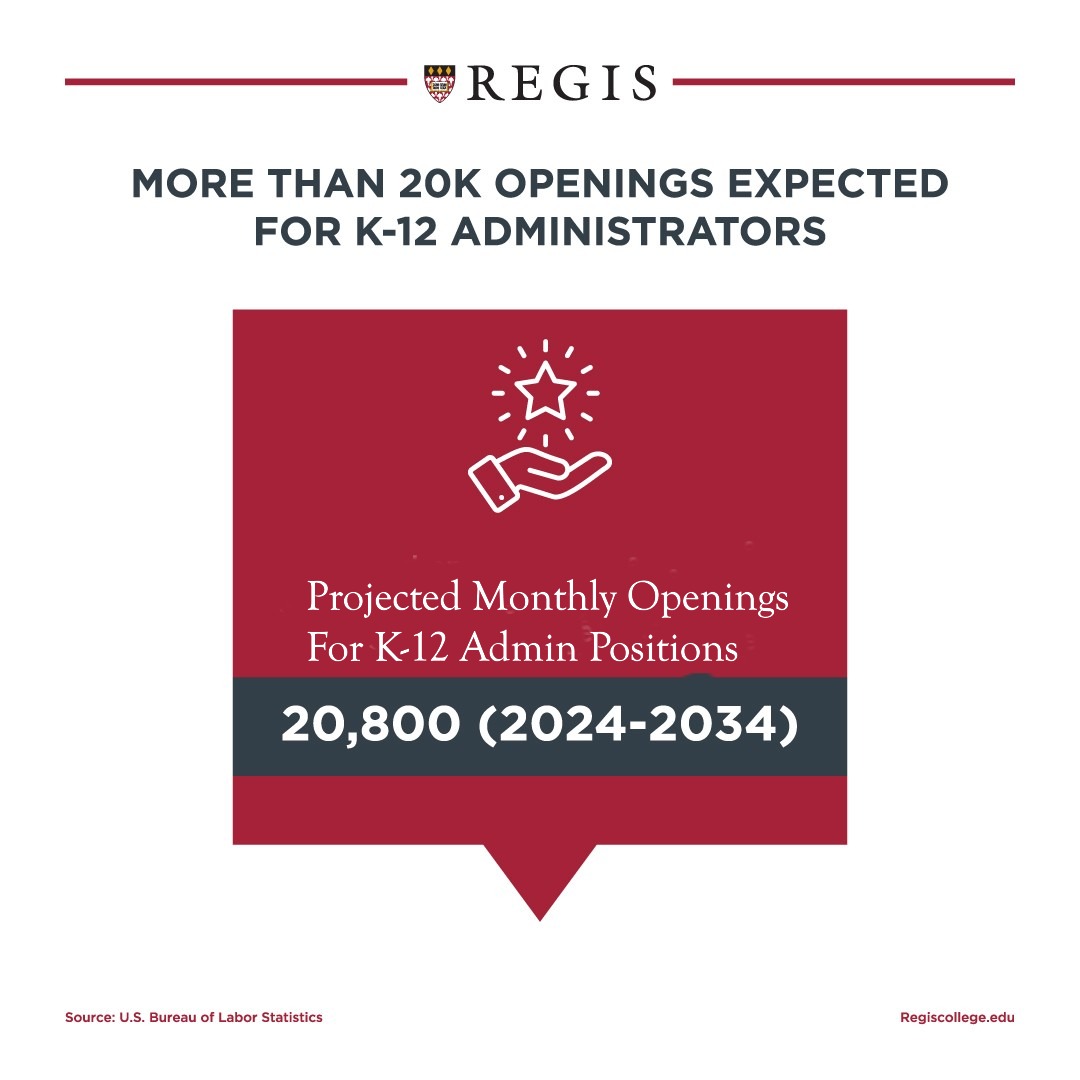
In K–12 education, roles such as principal or assistant principal typically require a master’s degree and administrative licensure. However, holding an EdD significantly strengthens an educator’s leadership profile.
The U.S. Bureau of Labor Statistics reports median annual pay of $104,070 for elementary, middle, and high school principals, while Salary.com reports average annual pay of about $97,900 for assistant school principals.
In high-performing districts, a doctorate makes a candidate stand out for building-level roles, signaling a deeper commitment to research-based decision-making.
For those eyeing roles in district administration, curriculum oversight, or policy work, the EdD is often the preferred credential. For instance, while minimum requirements vary, most boards of education prefer candidates with doctoral-level preparation for superintendent roles (about $160,197 median annual salary).
Higher Education: Credibility and Terminal Status
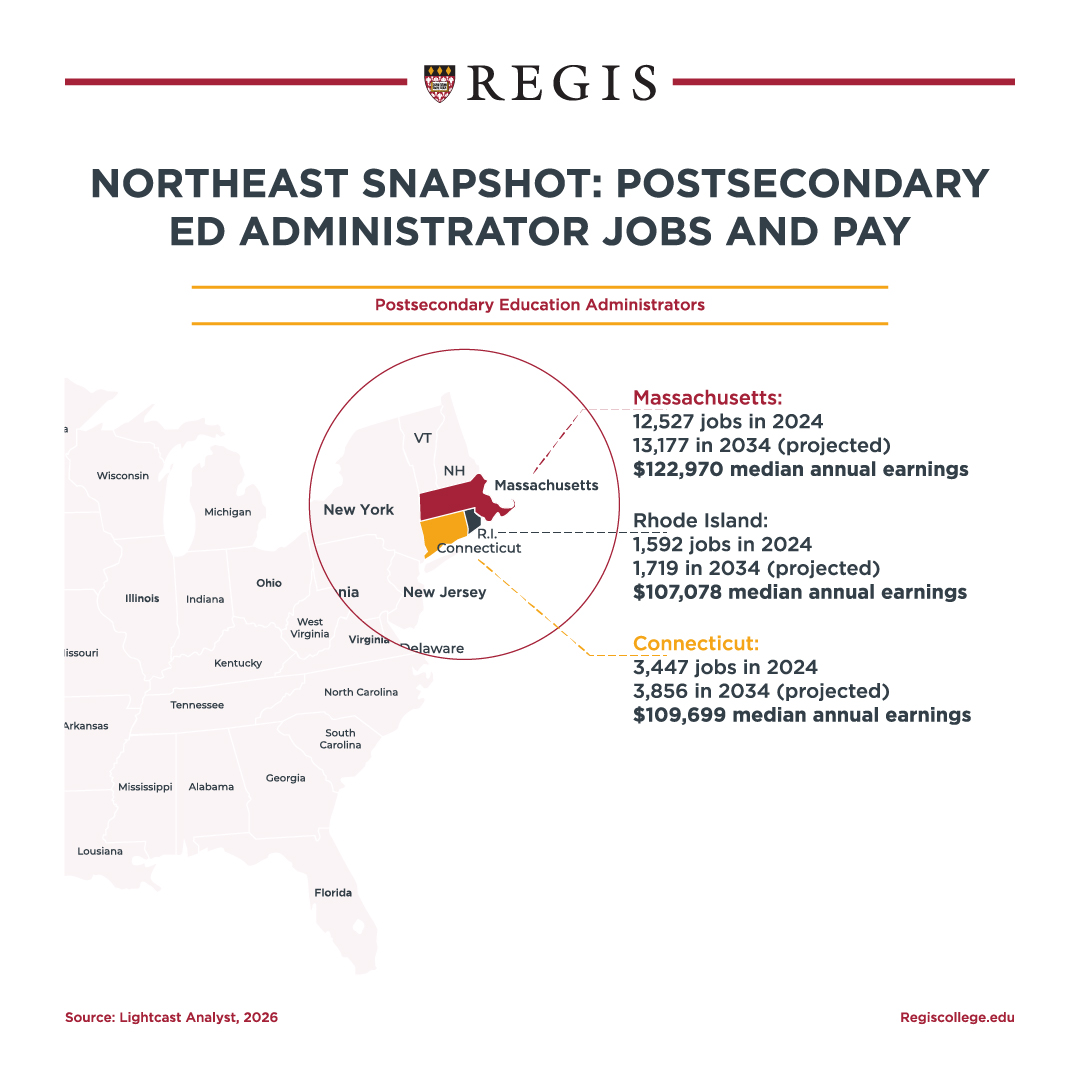
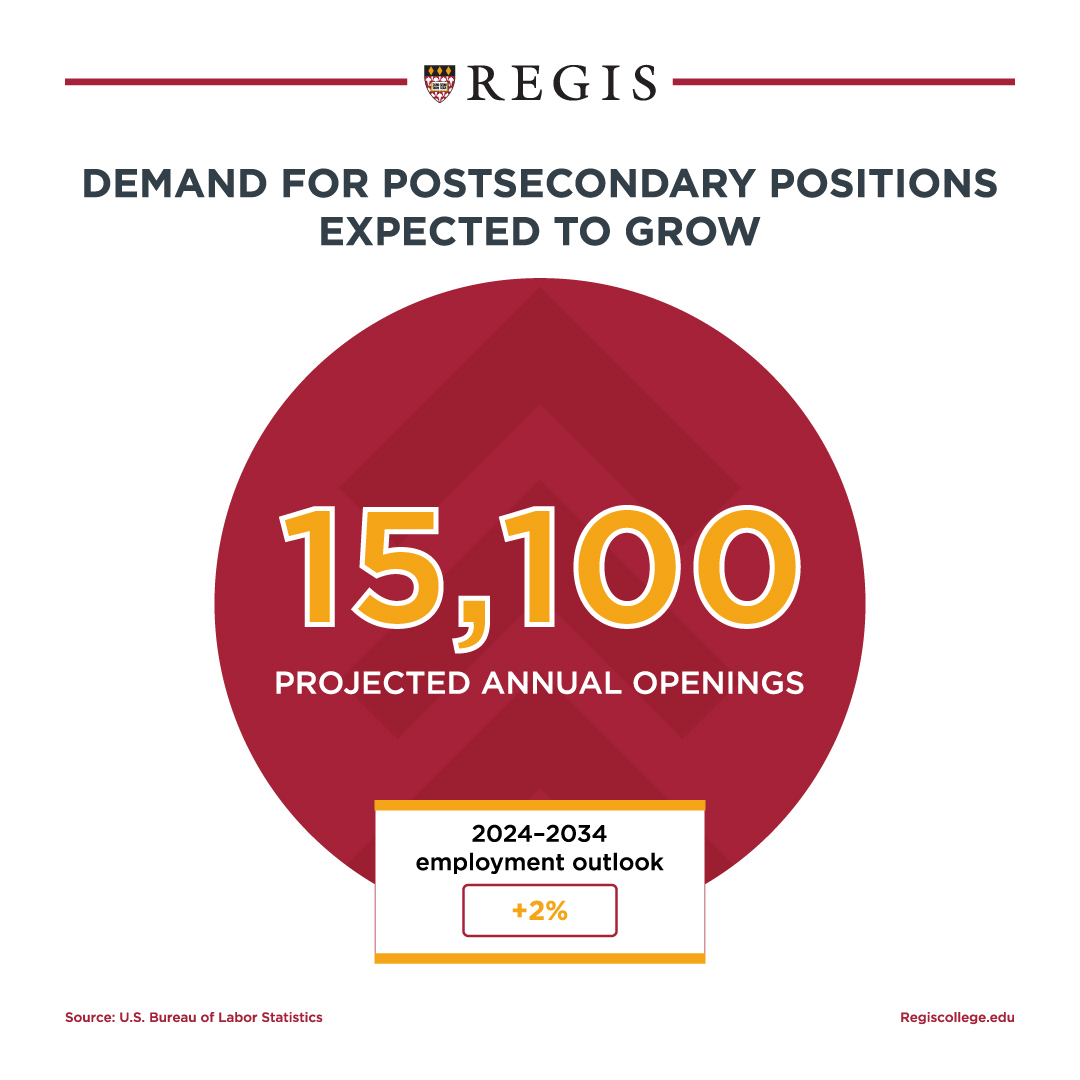
In the world of academia, the doctorate is often the currency of credibility. Whether you are in student affairs, admissions, or academic administration, the completed degree shifts how you are perceived by faculty and senior leadership alike.
As Maietta explains, for those moving into higher education, "the doctoral degree gives them not only the connections… but also the credibility." While mid-level roles in enrollment or program management may only require a master’s, senior-level leadership and dean-track positions increasingly list a terminal degree as "required" or "strongly preferred."
Relevant roles can include:
- Director of Admissions: Median salary $102,199
- Dean of Students: Median salary $129,300
- University Registrar: Median salary $85,300
While all of these roles have different qualifications and requirements attached to them, depending on the state or institution, it does show the likeliest trajectory for those who finish their dissertation—into school leadership, district leadership, student affairs, enrollment leadership, academic administration, and more.
What sets Regis’ ABD Completion program apart?
Regis’ EdD in Leadership All But Dissertation (ABD) Completion program is built specifically for students who are not starting from scratch. They need a pathway that recognizes what they have already completed while giving them the structure, support, and accountability to finish the final requirement.
A Chapter-By-Chapter Dissertation Structure
One of the clearest differentiators is the way Regis organizes dissertation progress.
Rather than asking students to return and manage the dissertation independently, Regis ABD students complete their dissertation chapter by chapter, with each chapter supported through a dedicated course. This model is designed to remove ambiguity, provide ongoing accountability, and give students a clear roadmap from re-entry to graduation.
That structure also reduces one of the biggest risks of returning: investing more time and money without a clear path to completion. For students who stalled once because the dissertation became too open-ended, a chapter-based model can make the return feel more realistic.
Support Built Around the Reasons ABD Students Stall
Regis also emphasizes the kinds of support ABD students often need most: engaged faculty advising, a supportive cohort, and built-in research and writing guidance. It’s one of the reasons why Regis’ EdD program has been so successful, boasting a 96% completion rate, compared with a national average of about 50%.
While completion isn’t automatic, Regis has built its ABD pathway around the obstacles that often prevent students from finishing: limited structure, inconsistent feedback, isolation, and uncertainty about how to move through the dissertation process.
A Rare Regional Option for ABD Students
ABD pathways are rare among New England institutions, and Regis offers one of the few completion programs in the entire region.
That adds value for New England professionals, especially those who want a program with regional relevance and a mission-driven institutional identity.
A Focused 30-Credit Pathway
Regis’ ABD Completion program requires 30 credits, compared with the 51-credit full EdD in Leadership. Students cannot transfer dissertation credits from a previous institution, but they may be able to build on earlier research ideas when appropriate, pending faculty review and approval.
Instead of asking students to start over, they are provided with a focused path built around completion, while still ensuring that their dissertation work meets Regis’ standards.
Flexibility for Working Professionals
Regis’ format is designed with working adults in mind. Students meet virtually on Saturdays four times per semester and almost all Regis EdD students work full-time while completing their degrees.
Many professionals may not be in a position to step away from work, family, or other responsibilities. A program may be academically strong, but if it does not fit a working professional’s life, the return becomes harder to realize.
Regis’ format helps make completion more accessible without removing the structure students need to keep moving.
Ask Yourself These Questions
For many ABD students, the decision becomes clearer when it moves from broad anxiety to specific self-assessment.
Will completing my doctorate better help me land the role I want?
Determine what position you’d most like to ascend to and whether a doctorate will have a meaningful impact on your ability to secure that role. If the answer is clearly yes, the value of finishing usually becomes easier to define.
Will the finished degree change how I am perceived in my field?
In some settings, the difference between ABD status and a completed doctorate is meaningful.
Am I trying to create advancement, make a transition, or finally bring closure to unfinished work?
All three are valid reasons, but knowing which one matters most can help clarify whether the return feels meaningful enough.
Am I ready to commit time, money, and energy now?
Even a strong ABD pathway still requires real effort and investment. The right decision is one that fits your actual capacity, not just your ambition.
Do I want a program that simply lets me continue, or one that actively helps me complete the work?
That question often reveals whether a student is evaluating programs at the right level. It can also lead you to a better understanding of the kinds of programs that are a right fit to not only help you reach your goal of completing the dissertation, but also where it will lead afterwards.
These questions do not tell you what the answer should be. They help define what “worth it” actually means in your case.
Finishing Can Turn Unfinished Work Into Usable Value
For many, finishing a dissertation is not only emotionally rewarding but also a gateway to better career and financial security.
That can mean stronger credibility in educational leadership. It can mean better positioning for school, district, or higher education administrative roles. It can mean finally being able to speak about the doctorate as a completed achievement rather than an unfinished one.
And it can mean making use of years of prior academic work in a way that feels professionally and personally meaningful.
Choosing the right program—one dedicated to supporting students through every avenue of their journey to completion—is paramount to making that goal a reality. At Regis, the EdD in Leadership All But Dissertation (ABD) Completion program is focused on research and scholarly writing, is led by faculty who connect on a personal level with their students, and know how to support students right up until the moment they cross the finish line.
“There has never been a student come through our program that’s like, ‘Wow, that was a waste of my time.’” says Maietta, about Regis’ program.
If you are ready to explore what finishing could look like, start by reviewing Regis College’s EdD in Leadership All But Dissertation (ABD) Completion program page, exploring the curriculum, and looking through tuition and admission requirements.
For more information, and to better understand how the ABD Completion pathway fits your goals, timeline, and prior doctoral work:



Published Date