
If you have finished your doctoral classes but the final hurdle of completing your dissertation remains, you are not alone.
Many people use the term "All but Dissertation" (ABD) to refer to doctoral candidates at this stage. If this describes you, it is likely that you are looking for a way to bridge the gap between where you are and graduation.
In fact, you may still think about the research you started, the professional goals that led you there, and the unfinished work that continues to linger in the background.
You don’t need more generic encouragement. You need a process that helps you make steady dissertation progress again.
That is why an EdD All But Dissertation (ABD) completion program can matter so much. A strong program provides a clearer path forward, reintroduces the support they may have lost when coursework ended, and helps turn an open-ended dissertation into a sequence of manageable academic steps.
Regis College’s EdD in Leadership All But Dissertation (ABD) Completion program, for instance, is built around exactly that idea: helping students who completed most or all of their doctoral coursework return to the dissertation phase with structure, guidance, and momentum.
Key Takeaways
- A strong ABD completion program does more than re-enroll students; it provides the structure, accountability, and support needed to make steady dissertation progress.
- Dissertation work is often harder than coursework because it requires more independent research, sustained scholarly writing, and less built-in structure.
- Regis helps students finish by connecting coursework to dissertation chapters, refreshing research and writing skills, and providing engaged faculty advising.
- Cohort-based support and regular academic touchpoints can reduce isolation and help working professionals maintain momentum.
- The right completion pathway can make finishing feel more realistic, manageable, and professionally valuable for returning doctoral students.
Why Finishing a Dissertation Can Be Harder Than Finishing Coursework
For students who have never been ABD, it can be easy to assume that if someone completed the classes, the rest should be simple. But the dissertation phase is not just “more school.” It is a different kind of academic challenge.
Coursework is structured. Students move from assignment to assignment, receive regular faculty feedback, and work within a built-in calendar.
Dissertation work is often much more independent. It asks students to sustain a research agenda over time, make methodological decisions, write in a more advanced scholarly voice, and keep going even when progress feels slow.
Heather Maietta, EdD, a Professor at Regis College, makes this distinction clear explaining that dissertation work is “very independent” and requires a different set of skills than simply excelling in coursework. She also notes that the long-term research and scholarly writing required at this stage is often not explicitly taught in the way many students need.
Independence Can Become Isolation
Independence can be valuable in doctoral study. But for ABD students, it can also become isolating.
Once the coursework ends, some students find themselves without the rhythm that helped them stay accountable. The deadlines are less frequent. The feedback may be slower. The peer community may feel more distant. The process can start to feel like something they are supposed to navigate entirely on their own.
That loss of structure is often where momentum begins to break down. A student may still intend to finish, but weeks become months, and months become years.
That is why connected support matters so much for returning doctoral students. Rather than expecting students to work through the dissertation in isolation, Regis emphasizes faculty mentorship, peer accountability, and a structured path forward.
Offering such support is likely one of the reasons why Regis can cite a 96% EdD completion rate, compared with a national average of about 50%.
Research and Scholarly Writing Often Need Explicit Support
Another challenge is that many ABD students are returning after time away from school. Even if they were strong students before, they may need help re-engaging with research methods, academic writing, and the expectations of dissertation-level work.
That does not mean they are unprepared. It means they are re-entering a demanding phase of doctoral study that benefits from direct instruction.
In the Regis program, great pains are taken to ensure that students are re-introduced (or introduced for the first time) to scholarly writing techniques, so they can jump into the dissertation completion process with the tools they need to succeed.
How an ABD Completion Program Helps You Restart with Momentum
A strong ABD completion program should not feel like a vague second chance. It should feel like a re-entry plan.
That means turning “I still want to finish someday” into a practical sequence of steps, acknowledging that returning students often need both encouragement and structure.
At Regis, the ABD pathway is designed around dissertation completion, not around asking students to re-create the same unstructured experience that caused them to stall.
Re-entry with a clear path
One of the most useful things a completion program can offer is a visible path forward.
Many ABD students do not need to be persuaded that the doctorate matters. They need to see how finishing could actually happen. A clear curriculum, defined milestones, and coursework tied to dissertation progress can make the process feel concrete again.
That is one of the strongest differences between a structured ABD program and a finish-on-your-own environment. Instead of hoping students can somehow reassemble momentum on their own, the program creates a framework for forward motion.
Rebuilding Confidence
Confidence is easy to lose after a long pause in doctoral work.
Students may wonder whether they can still write at the same level, still handle research expectations, or still make time for the degree while balancing work and personal responsibilities. A strong ABD program helps rebuild that confidence not by offering empty reassurance, but by giving students repeated opportunities to make progress.
That is where chapter-based coursework can make a real difference. When students can focus on one part of the dissertation at a time, supported by instruction and feedback, the process becomes less abstract and more manageable.
Re-Engaging With Research Expectations
Returning students often need a way back into the habits of doctoral work. That includes reading deeply again, refining a research focus, revisiting methodology, and writing in a sustained scholarly form.
According to Maietta, Regis intentionally selected the required ABD courses to address common pitfalls, including the need to re-engage with research methods and scholarly writing after time away from school. That is an important differentiator because it means the program is not assuming students can simply pick up where they left off without support.

What Support Should an EdD ABD Program Actually Provide?
This is where prospective students should get specific. If a program says it helps students finish, how does it actually do that?
A strong EdD ABD completion program should make its support model clear. At Regis, that support includes:
Courses Connected to Dissertation Chapters
Regis “attach[es] a course to each doctoral dissertation chapter,” Maietta explains, so students continue taking classes while learning how to complete each stage of the dissertation. That is a meaningful design choice because it turns a large, intimidating final requirement into a progression of guided academic tasks.
Rather than leaving students to teach themselves how to write a literature review or methodology chapter, the program supports that work in a structured way.
Research-Methods and Scholarly-Writing Refreshers
For returning ABD students, this support is not optional. It is often what makes the return realistic.
The Regis curriculum includes research-focused courses and advanced scholarly writing before students move fully into dissertation execution. The logic is clear: if the dissertation stage demands a particular kind of writing and methodological precision, students should not be expected to regain those capacities entirely on their own.
Engaged Faculty Advising
Faculty support can be the difference between progress and paralysis.
Maietta notes that the program fosters close student-to-faculty relationships and that students consistently respond well to accessible, hands-on advising.
This is a point of emphasis in Regis’ broader EdD program. The university emphasizes close faculty relationships and mentorship which, for returning dissertation students, is not just a nice feature. It is part of the mechanism that helps keep work moving.
Cohort-Based Accountability and Peer Support
ABD students often think of finishing as a solo challenge. But a strong program recognizes that peer support matters too.
Maietta describes the cohort model as an important source of support because students begin and move through their topical classes together. That shared structure can reduce the isolation many students felt in prior dissertation experiences.
It also creates accountability. When students know they are progressing alongside others who understand the demands of returning to doctoral work, they are less likely to feel stranded in the process.
Why This Model Works for Working Professionals
A completion program can only help students finish if it fits the reality of their lives.
Regis’ format, for instance, is online, includes asynchronous work, and features virtual Saturday sessions four times per semester, giving students both accessibility and regular engagement points. That design makes sense for adults who cannot disappear from the rest of their lives in order to finish the doctorate.
Maietta notes that nearly every student in the program has worked full-time while balancing significant life commitments, meaning completion is “doable” for students who are willing to put in the effort.
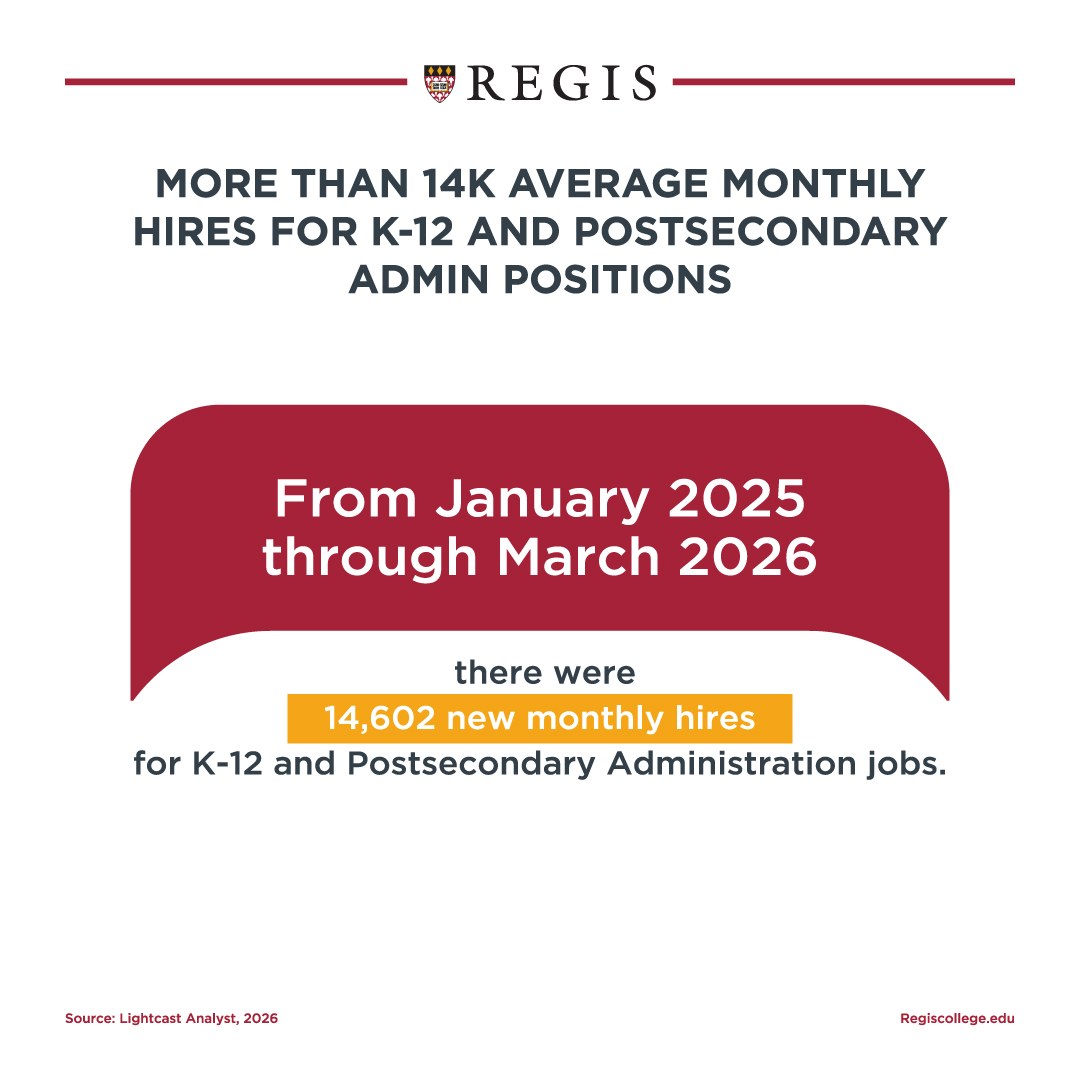
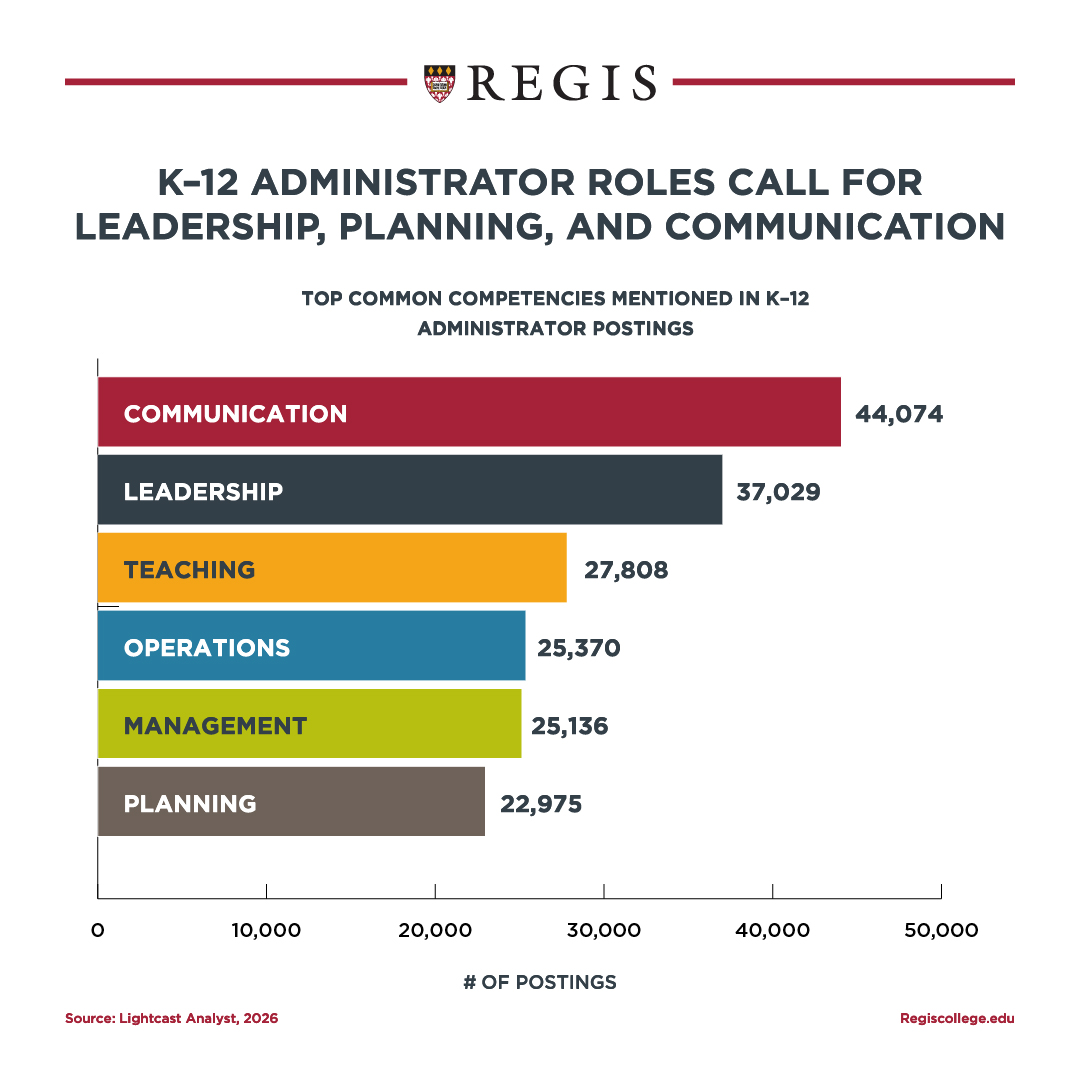
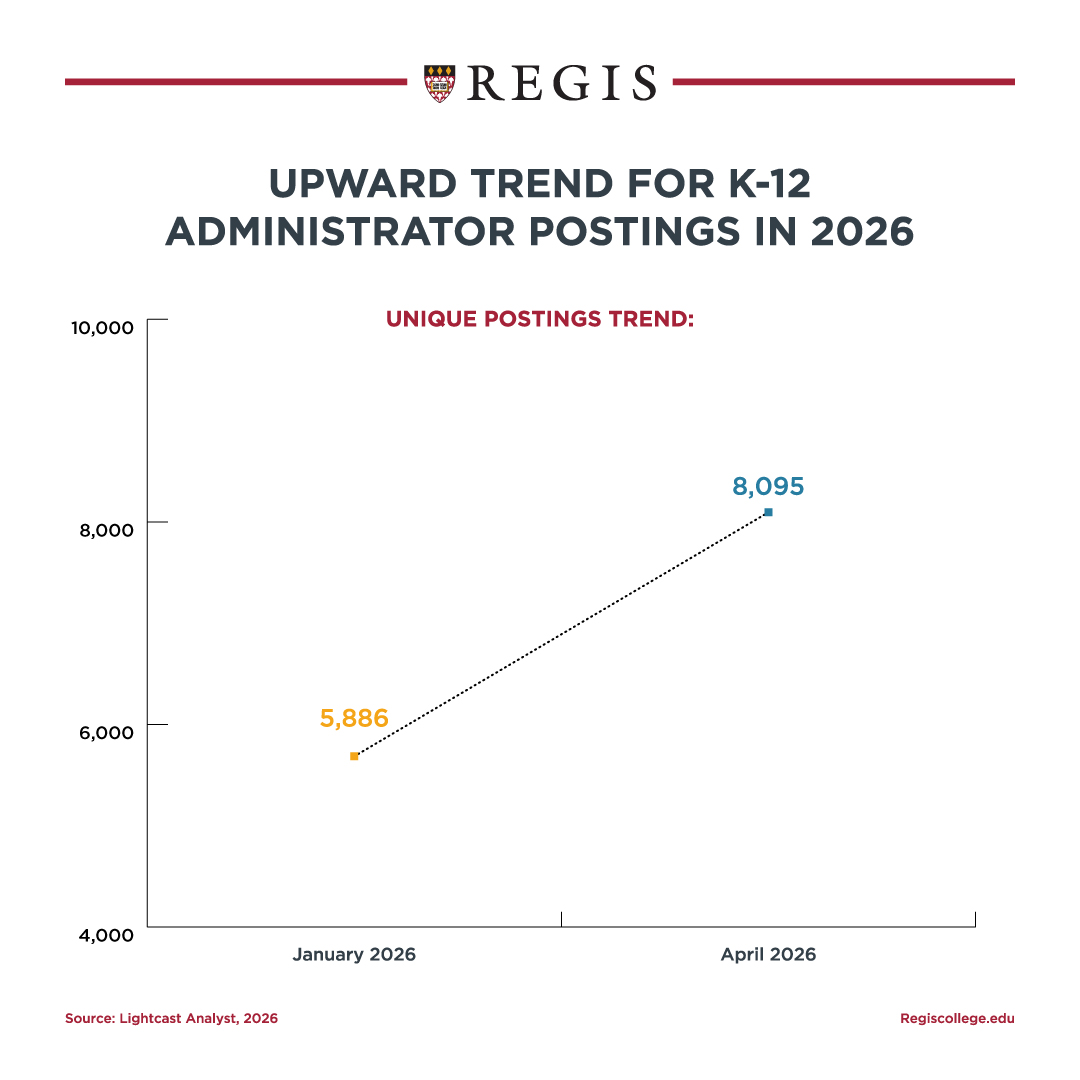
The program is by no means effortless, but it is designed to make completion realistic for working professionals. And upon completion, students enter a workforce where administrator positions are trending upward.
The Right Structure Can Turn Unfinished Work Into a Completed Doctorate
For ABD students, finishing is rarely just about closure.
It can also be about finally completing a long-term professional goal, strengthening credibility, and opening the door to new leadership opportunities.
Maietta reaffirms that completing the doctorate can support graduates looking to advance or transition into k-12 administration or higher education roles and help professionals compete for mid- to senior-level roles. She also points to how the program best prepares graduates to seek promotion, transition their careers, and get published after the degree is complete.
If you are ready to explore what finishing could look like, start by reviewing Regis College’s EdD in Leadership All But Dissertation (ABD) Completion program page, exploring the curriculum, and looking through tuition and admission requirements.
For more information, and to better understand how the ABD Completion pathway fits your goals, timeline, and prior doctoral work:



Published Date